

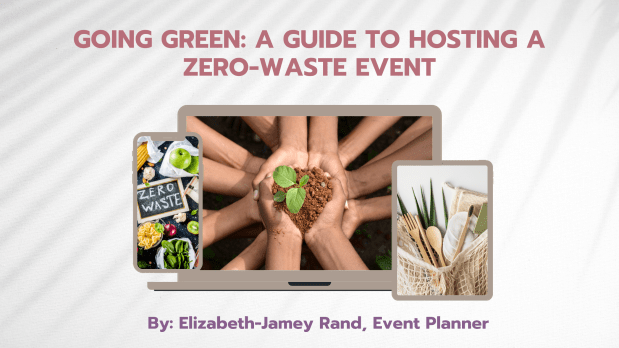
Events are a great way to bring people together for a common cause, but they can also generate a lot of waste. The good news is that it is possible to host a zero-waste event. By making some simple changes to the way you plan and execute your event, you can minimize its impact on the environment.
Here are some tips on how to host a zero-waste event:
Tip #1: Set your zero-waste goals: Define your objectives and set specific goals for waste reduction. Aim to minimize or eliminate waste sent to landfills throughout the event, including food waste, packaging, and single-use items.
Tip #2: Choose a sustainable venue: Select a venue that aligns with your zero-waste goals. Look for venues that have recycling programs in place, composting facilities, or eco-friendly practices. Consider outdoor venues that allow for natural waste management options.
Tip #3: Invitations and marketing materials: Opt for digital invitations and online ticketing platforms to minimize paper waste. If physical materials are necessary, choose recycled or biodegradable options. Encourage attendees to RSVP online to reduce paper waste.
Tip #4: Waste management plan: Develop a comprehensive waste management plan. Clearly label recycling, composting, and landfill bins, and place them strategically throughout the event space. Educate staff and attendees about proper waste segregation to maximize recycling and composting efforts.
Tip #5: Reduce single-use items: Eliminate or minimize the use of single-use items such as plastic cutlery, plates, and cups. Instead, opt for reusable or compostable alternatives made from biodegradable materials. Provide water stations for refilling reusable bottles instead of offering bottled water.
Tip #6: Sustainable catering: Work with caterers that prioritize sustainable practices. Discuss options for locally sourced, organic, and seasonal menu items. Minimize food waste by accurately estimating the number of attendees and donating surplus food to local organizations.
Tip #7: Implement a recycling and composting program: Partner with waste management companies or local composting facilities to handle recycling and composting. Ensure that recyclable and compostable materials are collected separately and properly processed.
Tip #8: Designate waste ambassadors: Appoint waste ambassadors or volunteers to guide attendees on proper waste disposal and educate them about the event’s zero-waste initiatives. They can help monitor waste stations, answer questions, and encourage participation.
Tip #9: Choose sustainable event supplies: Opt for reusable or compostable event supplies such as linens, tableware, and decorations. Use LED lighting and energy-efficient equipment to minimize energy consumption.
Tip #10: Educate and engage attendees: Raise awareness about your zero-waste efforts by sharing information through signage, presentations, or workshops. Encourage attendees to actively participate in waste reduction by providing feedback, sharing their experiences, and spreading the word about your sustainable event.
Tip #11: Track and evaluate progress: Measure and analyze your waste reduction efforts to track progress towards your zero-waste goals. Assess the effectiveness of your strategies and identify areas for improvement in future events.
Remember, hosting a zero-waste event requires collaboration with vendors, attendees, and staff. Communicate your objectives and encourage their participation in order to create a sustainable and impactful event.
About Elizabeth-Jamey Rand
Elizabeth-Jamey Rand is the President/CEO of Oasis Consulting Group, a consulting agency based in Miami Beach, FL that not only specializes in various aspects of business management, but also in event planning. She utilizes her with great organizational and multitasking skills to ensure that your event will go off without a hitch. To learn more, contact her at (786) 562-7601 or via email at elizabethjamey@gmail.com.

 oasisconsultinggroup.org