The Ultimate Event Planning Checklist: Ensure a Successful Event

Planning an event, whether it’s a birthday party, corporate conference, or wedding, requires meticulous attention to detail and careful organization. To help you stay on track and ensure nothing is overlooked, we have created the ultimate event planning checklist. This comprehensive guide covers all the essential elements, from pre-event preparations to post-event tasks. By following this checklist, you can stay organized, reduce stress, and host a successful and memorable event. Let’s dive in!

Pre-Event Preparations:

  • Define the Event Objectives: Clearly identify the purpose, goals, and target audience for your event. This will guide your planning decisions and help you tailor the event experience accordingly.
  • Set a Budget: Determine the financial resources available for your event and allocate funds to different aspects such as venue, decor, catering, and entertainment.
  • Create a Timeline: Establish a detailed timeline that outlines key milestones leading up to the event, including deadlines for booking vendors, sending invitations, and finalizing event logistics.
  • Select the Venue: Choose a suitable venue that aligns with your event objectives and accommodates the anticipated number of attendees. Consider factors such as location, capacity, amenities, and accessibility.
  • Book Vendors and Suppliers: Research and secure necessary vendors and suppliers, such as caterers, photographers, AV technicians, and rental companies. Obtain quotes, compare services, and sign contracts.
  • Develop an Event Marketing Strategy: Create a comprehensive marketing plan to promote your event. Utilize various channels such as social media, email marketing, and online event listings to reach your target audience effectively.

Continue reading

Quick and Delicious: Lunch Recipes for Busy Business People on the Go

As a busy professional, finding time to prepare a satisfying and nutritious lunch can be a challenge. However, with a little planning and some creative ideas, you can enjoy delicious meals that fuel your productivity and keep you energized throughout the day. In this blog post, we will share a selection of lunch recipes specifically designed for business people on the go. These recipes are quick, easy to make, and portable, allowing you to enjoy a satisfying meal even during the busiest of days.

Mediterranean Quinoa Salad:

  • Prepare a batch of cooked quinoa and let it cool.
  • In a portable container, combine the quinoa with cherry tomatoes, cucumbers, Kalamata olives, feta cheese, and chopped fresh herbs like parsley and mint.
  • Drizzle with a simple dressing made from olive oil, lemon juice, garlic, salt, and pepper.
  • Toss the ingredients together and refrigerate overnight. Grab it on your way out, and enjoy a refreshing Mediterranean-inspired salad that provides a healthy balance of grains, vegetables, and protein.
Continue reading

10 Things We Wish We Knew When We Started Our Event Planning Company

Starting an event planning company is an exciting and rewarding venture. However, it’s not without its challenges. As experienced event planners, we have learned valuable lessons along the way that we wish we had known when we first started. In this blog post, we share 10 insights that can help aspiring event planners navigate the industry with greater confidence and success. Whether you’re just starting or looking to enhance your existing event planning business, these tips will provide you with valuable guidance and save you from potential pitfalls.

Tip #1: Building Relationships is Key:

One of the most important aspects of running a successful event planning company is building strong relationships with clients, vendors, and industry professionals. Cultivate a network of trusted partners who share your commitment to excellence and professionalism. These relationships can lead to referrals, collaboration opportunities, and long-term success.

Tip #2: Detailed Contracts Protect Both Parties:

Clearly written contracts are essential for every event. Specify all terms, conditions, and expectations to avoid misunderstandings and protect both you and your clients. Include payment schedules, cancellation policies, scope of services, and any additional provisions relevant to the event.

Tip #3: Flexibility is Crucial:

No matter how well you plan, unexpected challenges will inevitably arise. Be adaptable and prepared to think on your feet. Develop problem-solving skills to handle last-minute changes, unforeseen obstacles, and client requests. The ability to remain calm and find creative solutions is invaluable in the event planning industry.

Continue reading

Unveiling the Distinction: The Difference Between an Advertising and Marketing Campaign

In the vast realm of business promotion and customer engagement, the terms “advertising” and “marketing” are often used interchangeably. However, it is crucial to understand that these terms represent distinct elements of a comprehensive business strategy. In this blog post, we will delve into the differences between an advertising and marketing campaign, shedding light on their unique roles, objectives, and how they work together to achieve business success.

Defining Advertising:

Advertising is a subset of marketing that focuses on the communication and promotion of products, services, or brands to target audiences. It involves creating and delivering persuasive messages through various channels such as television, radio, print media, online platforms, and more. Advertising campaigns aim to raise awareness, generate interest, and influence purchasing decisions by presenting the value and benefits of a specific offering to the target market.

Understanding Marketing:

Marketing encompasses a broader spectrum of activities aimed at understanding customers, developing products, setting prices, establishing distribution channels, and creating communication strategies. It involves conducting market research, analyzing customer needs and preferences, developing a brand identity, and creating a comprehensive plan to deliver value to the target market. Marketing campaigns take a holistic approach, incorporating advertising, public relations, sales promotions, and other elements to achieve strategic business goals.

Key Differences:

Scope and Focus:

Advertising campaigns concentrate primarily on the promotional aspect of marketing, aiming to capture the attention of the target audience and create brand awareness.

Marketing campaigns encompass a broader range of activities, including market research, product development, pricing strategies, distribution channels, and customer relationship management.

Continue reading

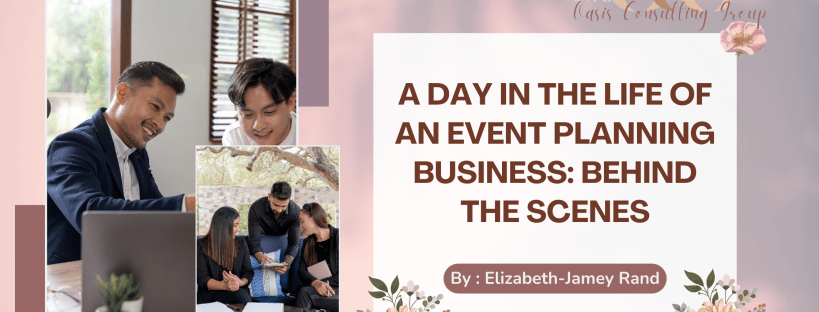
A Day in the Life of an Event Planning Business: Behind the Scenes

Have you ever wondered what it’s like to be an event planner? The world of event planning is fast-paced, dynamic, and full of exciting challenges. In this blog post, we take you behind the scenes to give you a glimpse into a typical day in the life of an event planning business. From early mornings to late nights, event planners are constantly juggling multiple tasks, working with clients, coordinating vendors, and ensuring that every detail is meticulously planned. Let’s dive into the exhilarating world of event planning and explore what a day in the life of an event planner looks like.

Morning Rush:

The day typically starts with a cup of coffee and a quick review of the schedule and to-do list for the day. Event planners often begin their mornings with client meetings, either in person or through virtual calls. These meetings involve discussing event details, clarifying client expectations, and providing updates on progress. It’s essential to establish clear communication channels to keep clients informed and address any questions or concerns they may have.

Creative Brainstorming:

After client meetings, event planners delve into the creative aspect of event planning. This involves brainstorming unique themes, designing event layouts, and researching innovative ideas to make each event memorable. Collaboration with the creative team, including decorators, designers, and entertainment specialists, is crucial during this phase. Event planners work closely with these professionals to translate their vision into reality, ensuring that every element of the event aligns with the client’s objectives.

Continue reading

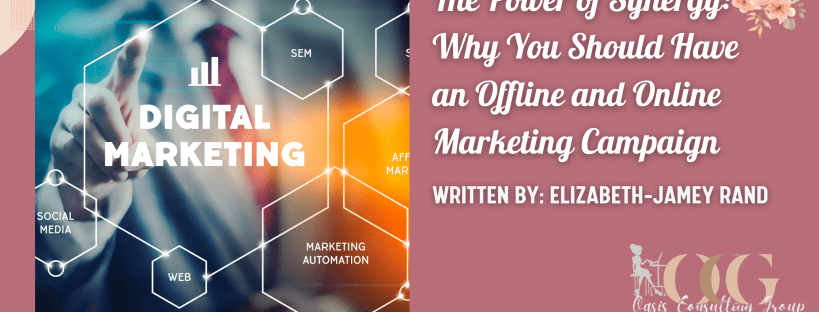
The Power of Synergy: Why You Should Have an Offline and Online Marketing Campaign

In today’s digital age, it’s easy to get caught up in the hype surrounding online marketing strategies. However, savvy marketers understand the importance of balancing offline and online efforts to create a truly comprehensive and impactful marketing campaign. In this blog post, we will explore the benefits of integrating offline and online marketing and why it’s crucial for your business’s success.

Wider Reach and Audience Engagement:

Combining offline and online marketing channels allows you to reach a broader audience and engage with them at different touchpoints. While online channels reach tech-savvy individuals, offline strategies such as billboards, flyers, or radio ads can capture the attention of local communities, older demographics, or those with limited internet access. By diversifying your marketing channels, you maximize the potential to connect with a wider range of potential customers.

Increased Brand Visibility and Awareness:

Offline marketing tactics like print advertisements, direct mail, or event sponsorships can significantly enhance your brand’s visibility in the physical world. Complementing these efforts with online strategies such as social media campaigns, search engine optimization, or content marketing amplifies your brand’s visibility in the digital realm. The combined impact creates a stronger brand presence and increases overall brand awareness among your target audience.

Continue reading

10 Promotion Ideas for Summer Music Festivals and Concerts

Summer is the season of music festivals and concerts, where fans gather to enjoy unforgettable live performances under the warm sun or starry skies. As an event organizer or promoter, it’s essential to create buzz and excitement around your summer music festival or concert. In this blog post, we’ll explore 10 promotion ideas to help you drive ticket sales, engage with your audience, and make your event a scorching success.

Early Bird Discounts: Kickstart the excitement by offering early bird ticket discounts. Create a sense of urgency by highlighting limited availability and time-bound offers. This not only rewards early supporters but also generates early ticket sales and builds anticipation for your event.

Social Media Contests: Leverage the power of social media by hosting contests. Encourage fans to share your event page, tag friends, or create user-generated content related to the festival or concert. Offer exciting prizes such as VIP passes, artist meet-and-greets, or exclusive merchandise. This boosts engagement, expands your reach, and creates a buzz around your event.

Influencer Partnerships: Collaborate with influencers and music enthusiasts who have a strong following and align with your target audience. Invite them to attend your festival or concert and share their experiences on their social media platforms. Their influence can help amplify your event’s reach and attract a broader audience.

Continue reading

Top 10 Myths About Business Consultants: Debunking Misconceptions

Business consultants play a crucial role in helping organizations thrive and overcome challenges. However, they are often surrounded by misconceptions and myths that can cloud our understanding of their value and expertise. In this blog post, we aim to debunk the top 10 myths about business consultants and shed light on the realities of their profession.

Myth#1: Business consultants are only for big corporations.

Reality: While large corporations may frequently engage consultants, businesses of all sizes can benefit from their services. Consultants offer tailored solutions and guidance to startups, small businesses, and even individual entrepreneurs.

Myth #2: Consultants provide generic advice anyone can give.

Reality: Professional consultants bring a wealth of experience and expertise in various industries. They analyze specific challenges, develop customized strategies, and offer insights based on industry trends and best practices, making their advice invaluable and targeted.

Myth #3: Consultants are too expensive.

Reality: While the cost of hiring consultants can vary, it is essential to consider the return on investment (ROI) they bring. Their expertise can lead to cost savings, increased efficiency, and revenue growth, making their fees worthwhile in the long run.

Continue reading