

How to Build a Powerful Personal Brand as a Realtor: A Step-by-Step Guide to Stand Out in a Crowded Market

In a saturated real estate market, your personal brand is what sets you apart. Buyers and sellers are no longer just looking for agents—they’re looking for people they can trust, relate to, and remember. Whether you’re just getting started or want to revamp your image, building a strong personal brand can be a game-changer for long-term growth.

Tip #1. Define Your Unique Value Proposition (UVP)

What makes you different from every other agent in your area? It could be your background in finance, your knack for helping first-time homebuyers, or your deep community ties. Whatever it is, make it the foundation of your brand.

Tip #2. Choose a Signature Look and Feel

Branding isn’t just about what you say—it’s also how you look. Choose a consistent color palette, logo, and headshot style. Use this visual identity across your website, business cards, social media, and signage.

Tip #3. Create a Strong Online Presence

Start with a professional website that highlights your listings, testimonials, and services. Then focus on platforms like Instagram, LinkedIn, and Facebook to share behind-the-scenes content, real estate tips, market updates, and personal stories that make you relatable.

Continue reading
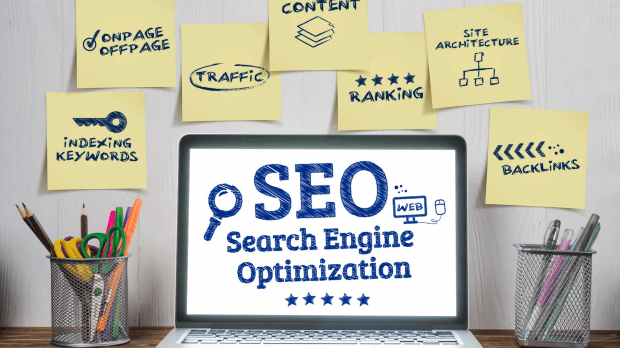
Top Strategies to Boost Your Local SEO and Attract More Nearby Customers

In an increasingly digital world, customers still crave local experiences. Whether it’s grabbing coffee nearby, hiring a local consultant, or finding a trusted service provider, people turn to Google for fast, relevant answers. That’s where Local SEO becomes your most powerful ally.

Local SEO (Search Engine Optimization) focuses on optimizing your business’s online presence to appear in local search results. When done right, it can attract nearby prospects who are actively looking for what you offer. Let’s dive into the most impactful strategies to make your business stand out in local searches.

1. Claim and Optimize Your Google Business Profile

Your Google Business Profile (formerly Google My Business) is the cornerstone of local SEO. It’s what shows up in Google Maps and the local 3-pack on search. Be sure to:

  • Claim and verify your listing
  • Use accurate and consistent NAP (Name, Address, Phone Number)
  • Add high-quality images, service categories, and business hours
  • Encourage satisfied customers to leave reviews

This profile is often a customer’s first impression—make it count.

2. Ensure Local Citations Are Consistent

Your business should be listed on reputable directories such as Yelp, Apple Maps, Bing Places, and industry-specific sites. Consistency in your business name, address, and phone number across platforms builds trust with search engines and improves rankings.

Continue reading

7 Smart Ways Construction Companies Can Scale Without Losing Control

Growth is the goal of every successful construction company. But when growth happens too quickly—or without a proper plan—it can compromise quality, create cash flow nightmares, and lead to employee burnout. The good news? You can scale without losing control. Here are seven smart ways to do just that:

Idea #1. Standardize Processes

Create consistent procedures for everything from bidding and estimating to hiring and job site safety. Document workflows, train your team, and update protocols as your company grows. Consistency breeds efficiency.

Idea #2. Leverage Construction Management Software

Tools like Procore, Buildertrend, and CoConstruct help streamline project management, document control, client communication, and financial tracking. Automating routine tasks gives you back time and improves accuracy.

Idea #3. Build a Strong Leadership Team

You can’t do it all. Delegate day-to-day responsibilities to trusted supervisors, project managers, and office staff. Empower your team to make decisions and hold them accountable with clear KPIs.

Continue reading

Maximizing LinkedIn for Business Growth: Proven Strategies to Boost Your Brand and Revenue

When it comes to growing your business online, platforms like Instagram and TikTok might get all the buzz—but LinkedIn is where the serious business happens. With over 1 billion users globally, and a user base that includes executives, decision-makers, and industry professionals, LinkedIn offers a goldmine of opportunity for B2B and service-based brands.

But simply being on LinkedIn isn’t enough. To turn connections into conversions, you need a smart, intentional strategy. Here’s how to maximize your presence and growth potential on LinkedIn.

Tip #1. Optimize Your Profile for Business Impact

  • Your profile is your storefront. Make sure it clearly communicates your value proposition.
  • Use a professional headshot and banner image that reflect your brand
  • Craft a compelling headline (not just your job title)
  • Use the About section to tell your story, highlight results, and speak directly to your target audience
  • Include links, featured content, and calls to action that guide visitors toward working with you

Tip #2. Grow a Quality Network (Not Just a Big One)

It’s not about how many people you’re connected with—it’s about who those people are. Target industry leaders, potential clients, collaborators, and decision-makers in your niche. Send personalized connection requests and always engage meaningfully with new contacts.

Continue reading

10 Common Real Estate Marketing Mistakes Agents Make—And How to Fix Them

Real estate is more than showing homes and closing deals—it’s about building trust, visibility, and authority in a competitive market. Unfortunately, many agents unknowingly sabotage their success with outdated or ineffective marketing strategies.

Here are 10 common marketing mistakes real estate agents make—and how to fix them to stand out, connect with clients, and close more deals.

Mistake #1. Ignoring Personal Branding

Mistake: Relying solely on a brokerage’s brand.

Fix: Build your own brand identity. Use consistent colors, logos, and messaging across your marketing platforms to establish trust and recognition.

Mistake #2. Being Inactive on Social Media

Mistake: Sporadic or sales-only posts.

Fix: Be consistent. Post valuable content like home tips, market updates, community highlights, and client testimonials. Build engagement—not just a following.

Continue reading

Online Reputation Management: 7 Crucial Dos and Don’ts Every Business Should Know

In today’s digital age, your online reputation is as valuable as your real-world presence. Whether you’re a small business, a startup, or a well-established brand, how you’re perceived online can make or break opportunities. Online reputation management (ORM) is not just about damage control; it’s about building trust, credibility, and lasting relationships with your audience. Here’s a guide to the dos and don’ts to help you stay ahead.

DO: Monitor Your Online Presence Regularly

Reputation management starts with awareness. Set up Google Alerts or use tools like Mention or Brand24 to track when your brand name appears online. Regular monitoring ensures that you can address negative comments, reviews, or misinformation before they escalate.

DO: Encourage Positive Reviews

A strong reputation comes from a solid base of positive testimonials. Actively encourage satisfied customers to share their experiences on platforms like Google, Yelp, or industry-specific directories. A simple follow-up email thanking clients and requesting feedback can go a long way in boosting your credibility.

Continue reading