20 Essential Terms Every Small Business Owner Should Know

As a small business owner, navigating the world of business consulting can sometimes feel like learning a new language. With terms like ROI, SWOT analysis, and KPIs being thrown around, it’s easy to feel overwhelmed. But fear not! In this comprehensive guide, we’ll break down 20 essential terms that every business consultant uses, helping you better understand the strategies and tactics that can propel your business to success.

Term #1. ROI (Return on Investment): The ratio of the profit or loss made in a business relative to the amount of money invested.

Term #2. SWOT Analysis: A strategic planning tool used to identify Strengths, Weaknesses, Opportunities, and Threats related to a business.

Term #3. KPIs (Key Performance Indicators): Specific metrics used to evaluate the success of a business or a particular activity.

Continue reading

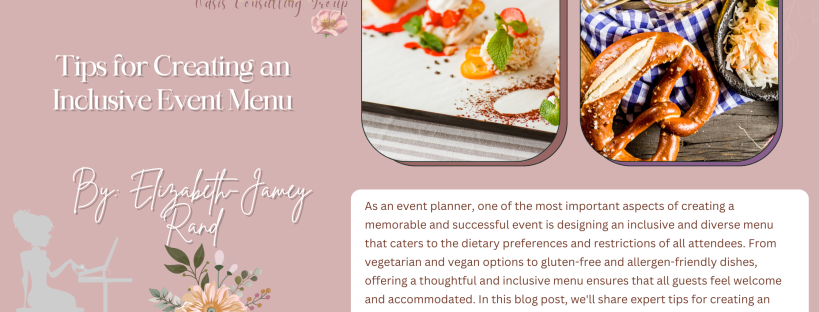
Tips for Creating an Inclusive Event Menu

As an event planner, one of the most important aspects of creating a memorable and successful event is designing an inclusive and diverse menu that caters to the dietary preferences and restrictions of all attendees. From vegetarian and vegan options to gluten-free and allergen-friendly dishes, offering a thoughtful and inclusive menu ensures that all guests feel welcome and accommodated. In this blog post, we’ll share expert tips for creating an inclusive event menu that delights all palates and dietary needs.

Understand Your Audience:

Start by understanding the dietary preferences and restrictions of your event attendees. Consider sending out a survey or questionnaire to gather information about dietary restrictions, food allergies, and cultural or religious dietary preferences.

Example: If you’re planning a corporate event, take into account the diverse dietary needs of your employees, including vegetarians, vegans, gluten-free individuals, and those with food allergies.

Continue reading

A Comprehensive Guide to Conducting a Social Media Audit for Your Business

In today’s digital age, having a strong social media presence is essential for small businesses to thrive. However, simply having profiles on various platforms is not enough. To truly maximize the impact of your social media efforts, conducting regular audits is crucial. A social media audit helps you evaluate your current strategy, identify areas for improvement, and ensure alignment with your business goals. In this guide, we’ll walk you through the steps to conduct a thorough social media audit that will elevate your online presence and drive business growth.

Continue reading

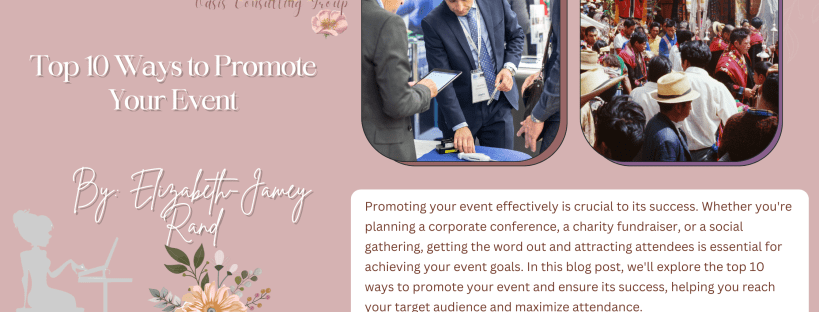
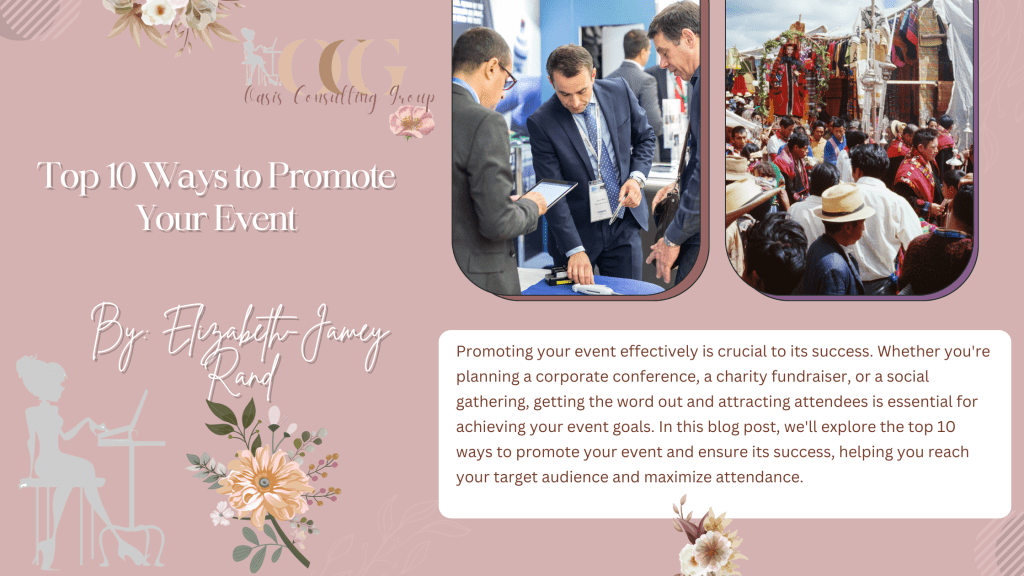
Top 10 Ways to Promote Your Event

Promoting your event effectively is crucial to its success. Whether you’re planning a corporate conference, a charity fundraiser, or a social gathering, getting the word out and attracting attendees is essential for achieving your event goals. In this blog post, we’ll explore the top 10 ways to promote your event and ensure its success, helping you reach your target audience and maximize attendance.

Idea #1. Create Compelling Event Invitations

Start by creating compelling event invitations that capture the attention of your target audience and entice them to attend. Use eye-catching graphics, persuasive copy, and clear call-to-action buttons to encourage recipients to RSVP and secure their spot at the event. Consider personalizing invitations with the recipient’s name or including exclusive incentives or discounts to incentivize attendance.

Idea #2. Leverage Social Media Platforms

Harness the power of social media platforms to promote your event and engage with your audience. Create event pages on platforms such as Facebook, LinkedIn, and Instagram to share event details, updates, and behind-the-scenes content. Use targeted advertising and promotional campaigns to reach specific demographics and expand your event’s reach to a wider audience.

Idea #3. Utilize Email Marketing Campaigns

Email marketing campaigns are an effective way to communicate with your audience and drive attendance to your event. Create segmented email lists based on factors such as demographics, interests, and past attendance to tailor your messaging and increase engagement. Send personalized invitations, event reminders, and exclusive offers to encourage recipients to register and attend your event.

Continue reading

The Crucial Role of Analytics in Measuring Marketing Performance

In today’s data-driven digital landscape, the ability to measure and analyze marketing performance is paramount for small businesses seeking to thrive and grow. While creative campaigns and engaging content are essential components of a successful marketing strategy, without the ability to track and measure their impact, businesses are left flying blind. Enter marketing analytics—a powerful tool that provides invaluable insights into the effectiveness of your marketing efforts and informs strategic decision-making. In this blog post, we’ll explore the role of analytics in measuring marketing success and how small businesses can harness data to drive meaningful results.

Understanding Marketing Analytics: Marketing analytics involves the collection, analysis, and interpretation of data related to your marketing activities and their impact on business outcomes. From website traffic and social media engagement to email open rates and sales conversions, marketing analytics encompasses a wide range of metrics and KPIs that help you understand how your marketing efforts are performing and where there’s room for improvement. By leveraging analytics tools and platforms, businesses can gain valuable insights into customer behavior, preferences, and trends, allowing them to optimize their marketing strategies for maximum impact.

Continue reading

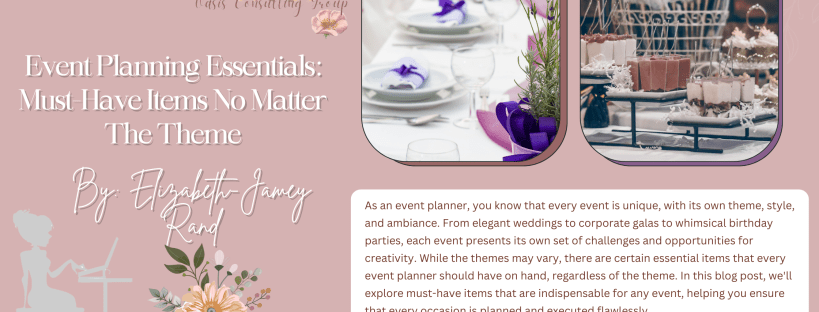
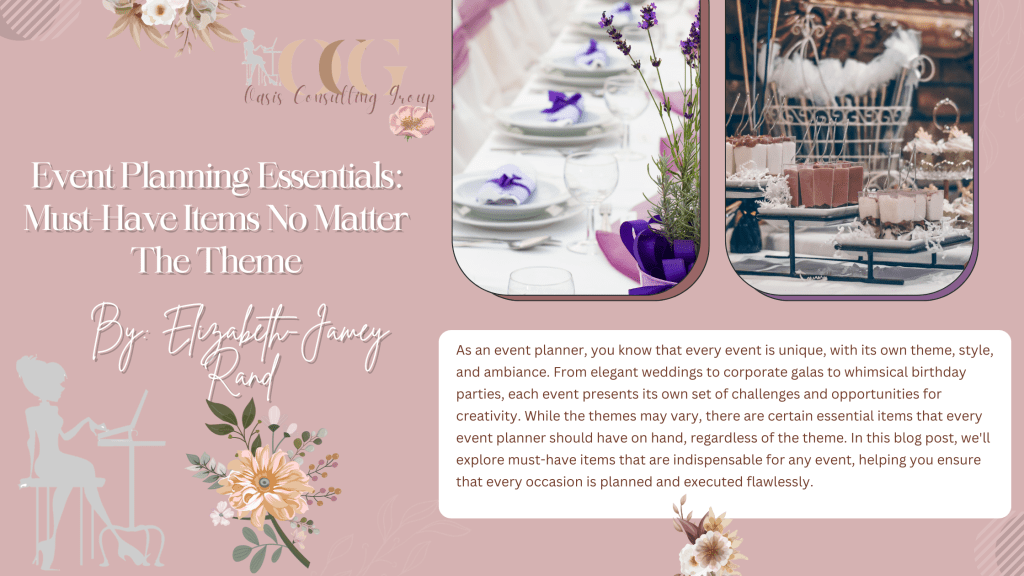
Event Planning Essentials: Must-Have Items No Matter The Theme

As an event planner, you know that every event is unique, with its own theme, style, and ambiance. From elegant weddings to corporate galas to whimsical birthday parties, each event presents its own set of challenges and opportunities for creativity. While the themes may vary, there are certain essential items that every event planner should have on hand, regardless of the theme. In this blog post, we’ll explore must-have items that are indispensable for any event, helping you ensure that every occasion is planned and executed flawlessly.

Must Have Item #1. Portable Event Kit

A portable event kit is essential for on-the-go event planning and management. Stocked with essential supplies such as tape, scissors, pens, notepads, safety pins, and other miscellaneous items, a portable event kit ensures that you’re prepared for any situation that arises during the event. Invest in a durable and compact carrying case or tote to keep your supplies organized and easily accessible while you’re on-site.

Must Have Item #2. Emergency Preparedness Kit

No event is immune to unforeseen emergencies or challenges, which is why an emergency preparedness kit is essential for every event planner. Include items such as first aid supplies, a flashlight, batteries, a multi-tool, duct tape, and emergency contact information in your kit to ensure that you’re prepared to handle any situation that arises during the event. Prioritize the safety and well-being of your clients and guests by being proactive and prepared for emergencies.

Continue reading

The Benefits of Working with a Virtual Assistant for Small Businesses

As a small business owner, juggling multiple tasks and responsibilities is par for the course. However, trying to do it all on your own can lead to burnout and inefficiency, ultimately hindering your business’s growth and success. Enter the virtual assistant—an invaluable resource that can help you streamline operations, increase productivity, and focus on what matters most: growing your business. In this blog post, we’ll explore the myriad benefits of working with a virtual assistant and how they can empower small business owners to achieve their goals.

What is a Virtual Assistant?

A virtual assistant (VA) is a remote worker who provides administrative, technical, or creative support to businesses from a remote location. Unlike traditional employees, virtual assistants work on a freelance or contract basis, offering flexibility and scalability to meet your business’s needs. From managing emails and scheduling appointments to handling social media and conducting research, virtual assistants can tackle a wide range of tasks, allowing you to reclaim valuable time and resources.

Continue reading

Event Planning Essentials: Top 10 Categories for Your Event Binder

As an event planner, staying organized is key to executing flawless events that exceed your clients’ expectations. One essential tool in your arsenal is the event binder—a comprehensive resource that contains all the important documents, information, and details you need to plan and manage your events effectively. In this blog post, we’ll explore the top 10 categories that should be included in your event binder to ensure that every aspect of your event is covered and nothing falls through the cracks.

Category #1. Event Overview

Start your event binder with an event overview section that provides a high-level summary of the event, including the date, time, location, theme, and purpose. This section serves as a quick reference guide for you and your team, helping everyone stay aligned and focused on the goals of the event.

Category #2. Budget and Financials

Keep track of your event budget and financials in a dedicated section of your event binder. Include details such as budget allocations, expenses, receipts, and payment schedules to ensure that you stay within budget and can track your spending throughout the planning process.

Category #3. Vendor Contracts and Contact Information

Organize all vendor contracts and contact information in one place to streamline communication and coordination with your event partners. Include copies of signed contracts, contact details for each vendor, and any relevant correspondence to ensure that everyone is on the same page leading up to the event.

Continue reading

Building Lasting Relationships: Effective Ways to Boost Customer Loyalty

In the fiercely competitive landscape of small business, attracting new customers is only half the battle—retaining them and fostering long-term loyalty is the key to sustained success. As a small business owner, nurturing strong relationships with your customers is essential for driving repeat business, fostering advocacy, and ultimately, fueling growth. In this blog post, we’ll explore effective strategies for boosting customer loyalty and turning one-time buyers into loyal brand advocates.

Understanding the Importance of Customer Loyalty

Customer loyalty goes beyond mere transactions; it’s about building emotional connections and trust with your audience. Loyal customers not only return to your business repeatedly but also become brand ambassadors, recommending your products or services to others and championing your brand across their networks. By prioritizing customer loyalty, you not only increase customer lifetime value but also create a competitive advantage that sets your business apart in the market.

Continue reading

Event Planning Excellence: How to Ensure Your Event Comes Off Without a Hitch

Planning a successful event requires meticulous attention to detail, strategic thinking, and careful coordination of countless moving parts. From venue selection and vendor management to guest accommodations and logistics, there are numerous factors to consider to ensure that your event runs smoothly and leaves a lasting impression on your guests. In this blog post, we’ll share expert tips and strategies to help you make your next event come off without a hitch and exceed your clients’ expectations.

Tip #1. Start with a Clear Vision and Objectives

Before diving into the details of event planning, start by defining a clear vision and objectives for your event. What is the purpose of the event? Who is your target audience? What do you hope to achieve? By establishing clear goals and objectives upfront, you’ll have a roadmap to guide your planning process and ensure that every decision aligns with the overall vision for the event.

Tip #2. Create a Comprehensive Event Plan

A well-defined event plan is the foundation of a successful event. Create a comprehensive event plan that outlines key milestones, deadlines, tasks, and responsibilities leading up to the event. Include details such as budget, venue selection, vendor contracts, marketing and promotion strategy, guest list management, and day-of logistics. By having a clear roadmap and timeline in place, you’ll stay organized and on track throughout the planning process.

Continue reading