Event Planning Essentials: Top 10 Categories for Your Event Binder

As an event planner, staying organized is key to executing flawless events that exceed your clients’ expectations. One essential tool in your arsenal is the event binder—a comprehensive resource that contains all the important documents, information, and details you need to plan and manage your events effectively. In this blog post, we’ll explore the top 10 categories that should be included in your event binder to ensure that every aspect of your event is covered and nothing falls through the cracks.

Category #1. Event Overview

Start your event binder with an event overview section that provides a high-level summary of the event, including the date, time, location, theme, and purpose. This section serves as a quick reference guide for you and your team, helping everyone stay aligned and focused on the goals of the event.

Category #2. Budget and Financials

Keep track of your event budget and financials in a dedicated section of your event binder. Include details such as budget allocations, expenses, receipts, and payment schedules to ensure that you stay within budget and can track your spending throughout the planning process.

Category #3. Vendor Contracts and Contact Information

Organize all vendor contracts and contact information in one place to streamline communication and coordination with your event partners. Include copies of signed contracts, contact details for each vendor, and any relevant correspondence to ensure that everyone is on the same page leading up to the event.

Continue reading
Event Planning Excellence: How to Ensure Your Event Comes Off Without a Hitch

Planning a successful event requires meticulous attention to detail, strategic thinking, and careful coordination of countless moving parts. From venue selection and vendor management to guest accommodations and logistics, there are numerous factors to consider to ensure that your event runs smoothly and leaves a lasting impression on your guests. In this blog post, we’ll share expert tips and strategies to help you make your next event come off without a hitch and exceed your clients’ expectations.

Tip #1. Start with a Clear Vision and Objectives

Before diving into the details of event planning, start by defining a clear vision and objectives for your event. What is the purpose of the event? Who is your target audience? What do you hope to achieve? By establishing clear goals and objectives upfront, you’ll have a roadmap to guide your planning process and ensure that every decision aligns with the overall vision for the event.

Tip #2. Create a Comprehensive Event Plan

A well-defined event plan is the foundation of a successful event. Create a comprehensive event plan that outlines key milestones, deadlines, tasks, and responsibilities leading up to the event. Include details such as budget, venue selection, vendor contracts, marketing and promotion strategy, guest list management, and day-of logistics. By having a clear roadmap and timeline in place, you’ll stay organized and on track throughout the planning process.

Continue reading

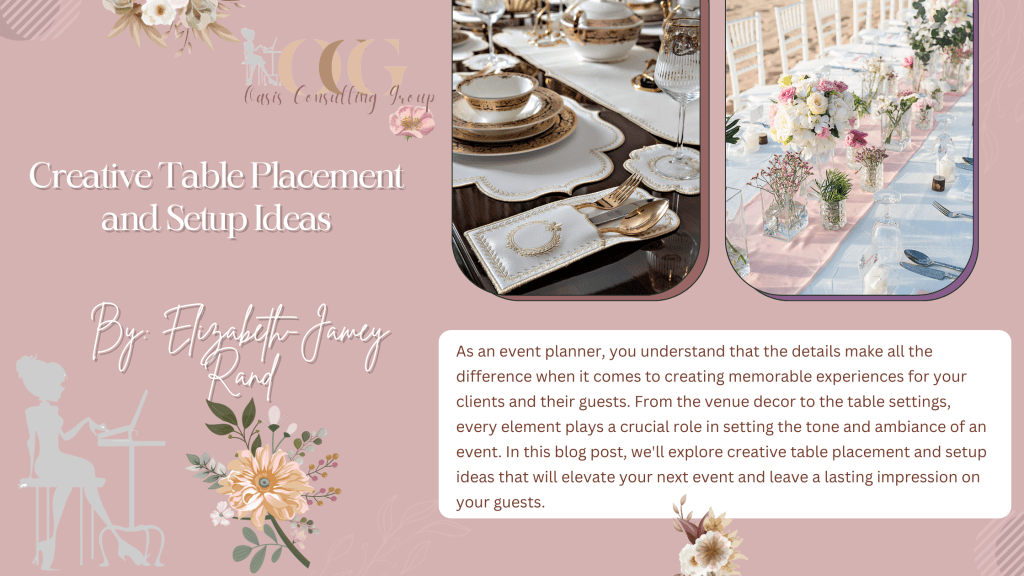
Creative Table Placement and Setup Ideas

As an event planner, you understand that the details make all the difference when it comes to creating memorable experiences for your clients and their guests. From the venue decor to the table settings, every element plays a crucial role in setting the tone and ambiance of an event. In this blog post, we’ll explore creative table placement and setup ideas that will elevate your next event and leave a lasting impression on your guests.

Idea #1. Theme-Based Tablescapes

One of the most effective ways to enhance the visual impact of your event is by designing theme-based tablescapes that reflect the overall theme or concept of the event. Whether you’re hosting a rustic outdoor wedding, a glamorous gala dinner, or a whimsical garden party, incorporating thematic elements into your table settings can help create a cohesive and immersive experience for your guests. Consider using thematic decor, linens, centerpieces, and place settings that tie into the event’s theme and color scheme, ensuring that every detail contributes to the overall ambiance.

Idea #2. Unique Table Shapes and Configurations

Break away from traditional round tables and explore unique table shapes and configurations that add visual interest and variety to your event space. Experiment with long banquet tables, square tables, or oval tables to create dynamic seating arrangements that encourage interaction and conversation among guests. Mix and match different table shapes and sizes to create visual focal points and highlight key areas of the venue, such as the head table or dance floor.

Continue reading

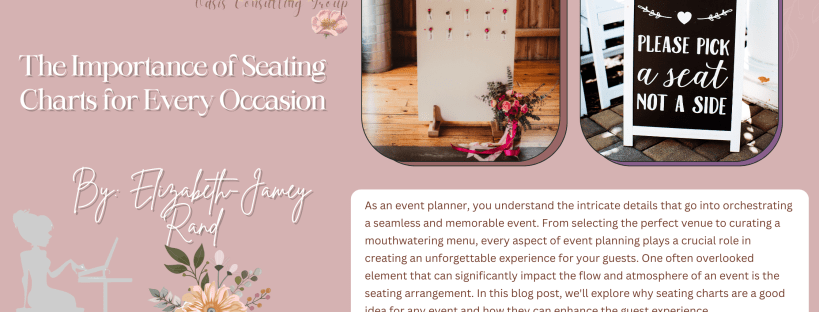
The Importance of Seating Charts for Every Occasion

As an event planner, you understand the intricate details that go into orchestrating a seamless and memorable event. From selecting the perfect venue to curating a mouthwatering menu, every aspect of event planning plays a crucial role in creating an unforgettable experience for your guests. One often overlooked element that can significantly impact the flow and atmosphere of an event is the seating arrangement. In this blog post, we’ll explore why seating charts are a good idea for any event and how they can enhance the guest experience.

Ensuring Guest Comfort and Convenience

One of the primary benefits of using seating charts for events is ensuring guest comfort and convenience. By strategically assigning seats or tables based on factors such as relationships, preferences, and accessibility needs, you can create a welcoming and inclusive environment where guests feel valued and accommodated. Seating charts allow you to avoid overcrowding or awkward seating arrangements, ensuring that each guest has a designated space where they can relax and enjoy the event to the fullest.

Continue reading

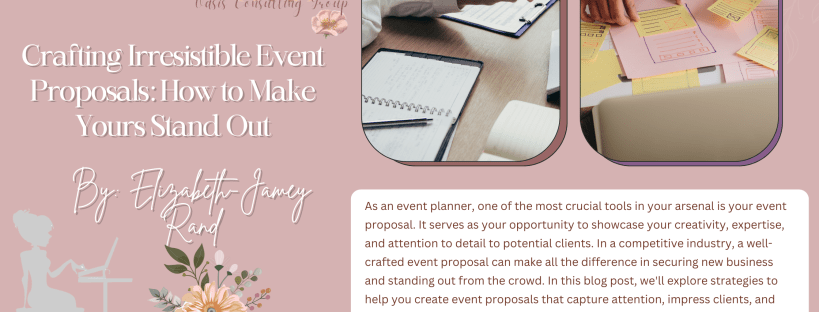
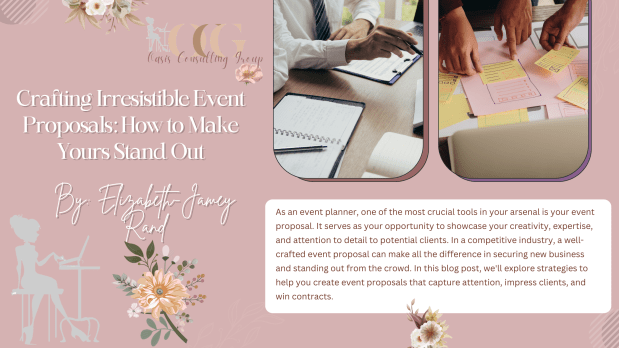
Crafting Irresistible Event Proposals: How to Make Yours Stand Out

As an event planner, one of the most crucial tools in your arsenal is your event proposal. It serves as your opportunity to showcase your creativity, expertise, and attention to detail to potential clients. In a competitive industry, a well-crafted event proposal can make all the difference in securing new business and standing out from the crowd. In this blog post, we’ll explore strategies to help you create event proposals that capture attention, impress clients, and win contracts.

Tip #1. Understand Your Client’s Needs: Before diving into the proposal writing process, take the time to thoroughly understand your client’s needs, preferences, and objectives for the event. Schedule a consultation or meeting to discuss their vision, budget, timeline, and any specific requirements they may have. The more you know about your client’s expectations, the better you can tailor your proposal to meet their needs.

Tip #2. Showcase Your Expertise: Use your event proposal as an opportunity to highlight your expertise, experience, and track record of success in event planning. Include a brief overview of your company, your team’s qualifications, and any relevant certifications or accolades you may have. Share examples of past events you’ve organized that are similar in scope or style to the one being proposed.

Tip #3. Personalize Your Approach: Avoid using generic, cookie-cutter templates for your event proposals. Instead, take the time to personalize each proposal to reflect the unique needs and preferences of the client. Address the client by name, reference specific details discussed during your consultation, and tailor your proposal to align with their vision and goals for the event.

Continue reading

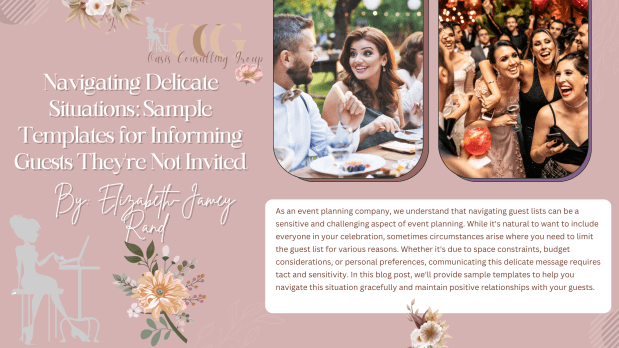
Navigating Delicate Situations: Sample Templates for Informing Guests They’re Not Invited

As an event planning company, we understand that navigating guest lists can be a sensitive and challenging aspect of event planning. While it’s natural to want to include everyone in your celebration, sometimes circumstances arise where you need to limit the guest list for various reasons. Whether it’s due to space constraints, budget considerations, or personal preferences, communicating this delicate message requires tact and sensitivity. In this blog post, we’ll provide sample templates to help you navigate this situation gracefully and maintain positive relationships with your guests.

Why Clear Communication Matters

Respectful Explanation: Providing a clear and respectful explanation for why someone is not invited to your event helps prevent misunderstandings and hurt feelings.

Maintaining Relationships: Honesty and transparency in your communication can help preserve relationships with those who may not receive an invitation, ensuring that they feel valued and respected despite not being able to attend.

Avoiding Awkwardness: By addressing the situation directly and proactively, you can avoid awkward encounters or misunderstandings that may arise if guests assume they are invited but later realize they are not.

Continue reading

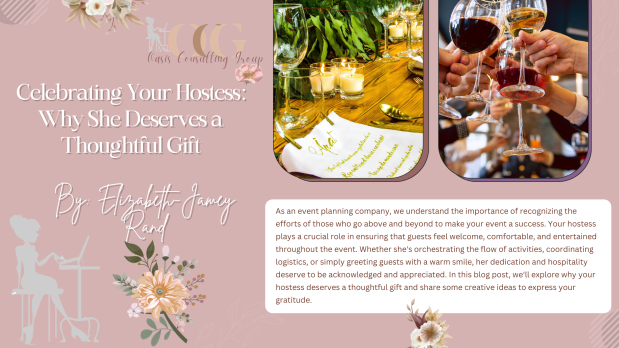
Celebrating Your Hostess: Why She Deserves a Thoughtful Gift

As an event planning company, we understand the importance of recognizing the efforts of those who go above and beyond to make your event a success. Your hostess plays a crucial role in ensuring that guests feel welcome, comfortable, and entertained throughout the event. Whether she’s orchestrating the flow of activities, coordinating logistics, or simply greeting guests with a warm smile, her dedication and hospitality deserve to be acknowledged and appreciated. In this blog post, we’ll explore why your hostess deserves a thoughtful gift and share some creative ideas to express your gratitude.

The Importance of Recognizing Your Hostess

  • She Sets the Tone: Your hostess sets the tone for your event, welcoming guests with grace and hospitality. Her warmth and enthusiasm create a welcoming atmosphere that sets the stage for a memorable experience.
  • She Handles the Details: From coordinating seating arrangements and managing RSVPs to ensuring that guests are well-fed and entertained, your hostess takes care of every detail to ensure a seamless and enjoyable event.
Continue reading
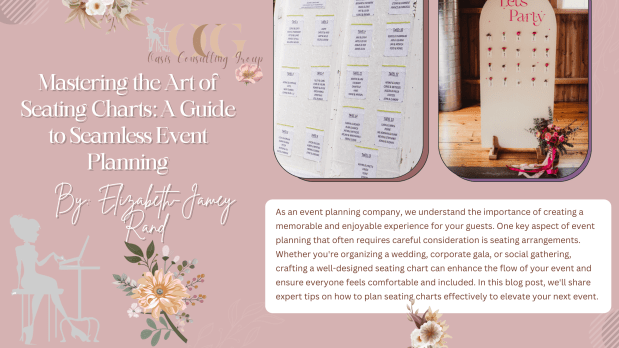
Mastering the Art of Seating Charts: A Guide to Seamless Event Planning

As an event planning company, we understand the importance of creating a memorable and enjoyable experience for your guests. One key aspect of event planning that often requires careful consideration is seating arrangements. Whether you’re organizing a wedding, corporate gala, or social gathering, crafting a well-designed seating chart can enhance the flow of your event and ensure everyone feels comfortable and included. In this blog post, we’ll share expert tips on how to plan seating charts effectively to elevate your next event.

Why Seating Charts Matter

Seating charts play a crucial role in the success of your event for several reasons:

  • Optimal Guest Experience: Thoughtfully planned seating arrangements can facilitate meaningful connections and conversations among guests, enhancing their overall experience.
  • Maximized Space Utilization: By strategically seating guests, you can maximize the use of available space and ensure a smooth flow of traffic throughout the venue.
  • VIP and Special Considerations: Seating charts allow you to accommodate special requests, VIP guests, and individuals with specific needs, ensuring everyone feels valued and respected.
  • Enhanced Event Design: Seating arrangements contribute to the aesthetic appeal of your event, allowing you to create visually appealing table layouts that complement your overall design theme.
Continue reading

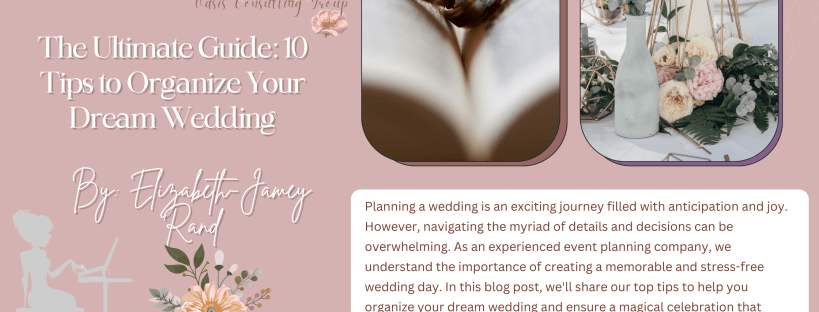
The Ultimate Guide: 10 Tips to Organize Your Dream Wedding

Planning a wedding is an exciting journey filled with anticipation and joy. However, navigating the myriad of details and decisions can be overwhelming. As an experienced event planning company, we understand the importance of creating a memorable and stress-free wedding day. In this blog post, we’ll share our top tips to help you organize your dream wedding and ensure a magical celebration that reflects your love story.

1. Start Early and Set a Budget

Begin your wedding planning journey as soon as possible to allow ample time for decision-making and preparation. Establish a realistic budget that outlines your priorities and allocates funds accordingly, helping you stay on track and avoid overspending.

2. Create a Vision Board

Gather inspiration from wedding magazines, Pinterest boards, and bridal websites to create a vision board that reflects your desired aesthetic, theme, and color palette. Having a clear vision will guide your decisions and ensure cohesive design elements throughout your wedding.

Continue reading

What to Do in the First Few Weeks After Hiring an Event Planner

Hiring an event planner is an exciting first step towards bringing your vision to life and creating a memorable event. Whether you’re planning a wedding, corporate gathering, or special celebration, collaborating with an experienced event planner can streamline the process and ensure a seamless execution. In this blog post, we’ll share recommendations for customers to make the most of the first few weeks after hiring an event planner, setting the stage for a successful and stress-free event.

Step #1. Schedule an Initial Consultation: The first step after hiring an event planner is to schedule an initial consultation to discuss your vision, goals, and expectations for the event. Use this opportunity to share your ideas, preferences, and any specific requirements you have in mind. Be open to feedback and suggestions from your event planner, as they bring valuable expertise and insights to the table.

Step #2. Define Your Budget and Priorities: Work with your event planner to establish a realistic budget for the event and prioritize your spending based on your preferences and priorities. Be transparent about your budget constraints and discuss how to allocate funds effectively to achieve your desired outcome. Your event planner can help you make informed decisions and find creative solutions that align with your budgetary needs.

Step #3. Create a Timeline and Checklist: Collaborate with your event planner to create a detailed timeline and checklist outlining key milestones, deadlines, and tasks leading up to the event. Having a clear roadmap will keep you organized and on track throughout the planning process, ensuring that nothing falls through the cracks.

Continue reading