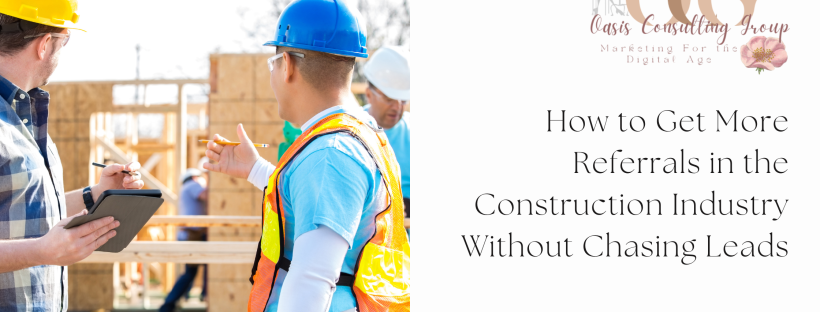

How to Get More Referrals in the Construction Industry Without Chasing Leads

How to Get More Referrals in the Construction Industry

In the construction industry, trust is everything. Homeowners and business owners are not just hiring a contractor. They are trusting someone with their property, budget, and timeline. That’s why referrals remain one of the most powerful and reliable ways to grow a construction business.

Yet many construction companies rely on referrals passively, hoping happy clients will talk about them. The most successful contractors take a proactive approach, building systems that encourage referrals naturally and consistently.

Let’s break down how to generate more referrals in the construction industry without feeling awkward or salesy.

Deliver an Experience Worth Talking About

Referrals start with experience.

Quality workmanship is expected. What sets companies apart is how clients feel throughout the project. Clear communication, reliability, cleanliness, and professionalism all contribute to an experience clients want to share.

Small details matter. Showing up on time, explaining next steps, and following through consistently builds trust and leaves a lasting impression.

Continue reading
How to Automate Lead Follow-Up Without Losing the Human Touch

How to Automate Lead Follow-Up Without Losing the Human Touch

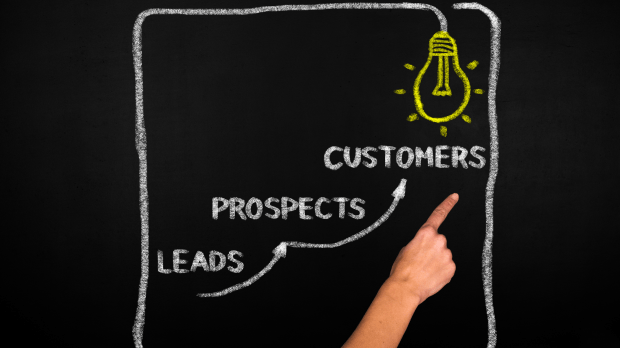
For many small business owners, lead follow-up is one of the biggest challenges. You work hard to generate leads, but keeping up with responses, check-ins, and nurturing conversations can quickly become overwhelming.

That’s where automation comes in. Unfortunately, automation has a bad reputation. Many people associate it with generic messages, robotic responses, and impersonal communication that turns potential clients away.

The truth is, automation itself is not the problem. Poor strategy is.

When done intentionally, automated lead follow-up can actually enhance the human connection rather than replace it. It allows you to show up consistently, respond quickly, and build trust without burning out.

Why Follow-Up Matters More Than Speed Alone

Most leads do not convert on the first interaction.

People need time, information, and reassurance before making a decision. Consistent follow-up builds familiarity, and familiarity builds trust. Automation ensures that no lead falls through the cracks while still leaving room for real conversation.

The goal is not to close someone instantly. The goal is to guide them thoughtfully through the decision-making process.

Continue reading

Utilizing Facebook Groups for Community Building and Small Business Growth

Utilizing Facebook Groups for Community Building

For many small business owners, social media can feel like a constant race for attention. You post consistently, try new formats, and follow best practices, yet engagement still feels unpredictable. That’s where Facebook Groups come in.

Unlike business pages that rely heavily on algorithms, Facebook Groups are built around connection. They create a space where people gather because they want to be there, not because content happened to show up in their feed. When used correctly, Facebook Groups can become one of the most powerful tools for community building, brand loyalty, and long-term lead generation.

Let’s talk about how small businesses can use Facebook Groups strategically without turning them into another overwhelming task.

Why Facebook Groups Matter More Than Ever

People crave connection, especially online. Facebook Groups tap into that desire by giving members a place to ask questions, share experiences, and feel heard.

For small businesses, this is incredibly valuable. A Facebook Group allows you to move from broadcasting messages to having real conversations. Instead of talking at your audience, you are building relationships with them.

Groups also create visibility. When members engage, Facebook naturally shows group activity more often than standard page posts. This means higher reach, better engagement, and stronger brand recognition over time.

Continue reading

Facebook Ads for Construction Companies: What Actually Works in 2026

Facebook Ads for Construction Companies: What Works?

Many construction company owners try Facebook Ads once, feel disappointed, and never touch them again. Often, the issue is not the platform. It’s the strategy behind the ads.

Facebook Ads can work extremely well for construction companies, but only when they are built around trust, clarity, and local relevance. Homeowners and business owners don’t hire contractors impulsively. They research, compare, and look for reassurance before reaching out.

Let’s break down what actually works when running Facebook Ads for construction companies.

Why Facebook Ads Are Effective for Construction Businesses

Facebook allows you to reach people before they actively search for a contractor.

This matters because many homeowners are in the “thinking about it” phase long before they ever type anything into Google. Facebook Ads help you stay visible during that consideration stage.

For construction companies, Facebook Ads are especially effective for:

  • Remodeling and renovations
  • Home improvement projects
  • Local services
  • Long decision-cycle projects

When used correctly, Facebook Ads warm up prospects before they ever make contact.

Continue reading

Google Ads vs. Facebook Ads: Which Is Better for Realtors Looking to Generate Leads?

Google Ads vs. Facebook Ads: Which Is Better for Realtors?

If you’re a realtor investing in digital marketing, you’ve likely asked this question more than once. Should you be using Google Ads or Facebook Ads to generate leads?

The answer is not as simple as choosing one over the other. Both platforms are powerful, but they work in very different ways. Understanding how each platform attracts prospects and supports your sales process helps you choose the right strategy for your business goals.

Let’s break down the strengths, limitations, and ideal use cases for both Google Ads and Facebook Ads so you can make an informed decision.

Understanding Buyer Intent

The biggest difference between Google Ads and Facebook Ads comes down to intent.

Google Ads capture people who are actively searching. When someone types “homes for sale near me” or “sell my house fast,” they are signaling immediate intent. These users are often closer to making a decision.

Facebook Ads, on the other hand, focus on discovery. Users are not searching for real estate services. They are scrolling. This means Facebook Ads work best for nurturing interest, building awareness, and staying top of mind.

Both types of intent matter in real estate.

Continue reading

The Rise of Micro-Influencers in Marketing and Why Small Businesses Should Care

The Rise of Micro-Influencers in Marketing

Not too long ago, influencer marketing felt out of reach for most small businesses. Big-name influencers with massive followings came with big price tags, complex contracts, and no guarantee of real results. For many business owners, it felt like a gamble rather than a strategy.

That’s where micro-influencers come in.

Micro-influencers are quickly becoming one of the most effective and affordable marketing tools for small businesses. They may not have millions of followers, but what they do have is trust, authenticity, and highly engaged audiences. And in today’s marketing landscape, those things matter more than ever.

If you are looking for smarter ways to grow your brand without stretching your budget, understanding the rise of micro-influencers is essential.

What Is a Micro-Influencer

A micro-influencer is typically someone with a smaller but highly engaged social media following, often ranging from 1,000 to 100,000 followers. These creators usually focus on a specific niche, such as local businesses, lifestyle, fitness, beauty, real estate, food, or entrepreneurship.

What makes micro-influencers so powerful is their relationship with their audience. Their followers see them as relatable, approachable, and trustworthy. That trust often translates into higher engagement rates and stronger purchasing influence compared to larger influencers.

For small businesses, this means your message feels like a recommendation from a friend rather than an advertisement.

Continue reading

The Ultimate Social Media Strategy for Contractors Who Want More Leads, Not Just Likes

The Ultimate Social Media Strategy for Contractors

Many contractors believe social media is only for influencers, trendy brands, or businesses with a lot of free time. The truth is, social media is one of the most effective ways for contractors to build trust, showcase their work, and attract consistent leads without relying solely on referrals.

The key is having a strategy. Random posting, inconsistent updates, or only sharing promotions rarely produces results. A smart social media strategy turns your platforms into a steady source of visibility and inquiries.

Let’s break down what the ultimate social media strategy for contractors looks like and how to make it work without overwhelming your schedule.

Why Social Media Matters for Contractors

Before a homeowner or business owner hires a contractor, they want reassurance. They want to see your work, understand your expertise, and feel confident that you are reliable.

Social media allows you to:

  • Show proof of your work
  • Build credibility and trust
  • Stay top of mind
  • Educate potential clients
  • Generate inbound leads

In 2026, people often check social media before making a call. Your presence matters.

Continue reading

How to Turn Social Media Followers into Real Estate Leads That Actually Convert

How to Turn Social Media Followers into Real Estate Leads

Many real estate agents spend hours posting on social media but still struggle to turn likes and follows into actual leads. The truth is, having a large following does not automatically translate into business growth. What matters is how you guide those followers toward trust, conversation, and action.

Social media is not just a visibility tool. When used strategically, it becomes a powerful lead generation system that works consistently in the background. The key is shifting from posting just to post toward posting with intention.

Let’s walk through how to turn social media followers into real estate leads in a way that feels natural, authentic, and sustainable.

Understand the Difference Between Attention and Intent

Followers give you attention. Leads show intent.

Not everyone who follows you is ready to buy or sell today, but many are watching, learning, and waiting. Your job is to nurture that attention until intent forms.

This happens when your content answers real questions, removes uncertainty, and positions you as a trusted guide rather than a salesperson.

Continue reading

Proven Strategies for Effective YouTube Marketing for Small Businesses

Strategies for Effective YouTube Marketing

If you’re a small business owner, you’ve probably heard that you should be on YouTube. And while that’s true, what often gets left out is how to use YouTube effectively without it becoming another overwhelming task on your already full plate.

The good news is that you don’t need fancy equipment, viral videos, or thousands of subscribers to make YouTube work for your business. What you need is a clear strategy, consistency, and content that speaks directly to your ideal customer.

Let’s break down practical, realistic strategies for effective YouTube marketing that actually support business growth.

Start With Strategy, Not Trends

One of the biggest mistakes small businesses make is chasing trends instead of building a foundation.

Before you hit record, ask yourself who this channel is for, what problems your customers need solved, and how this supports your services or offers.

Effective YouTube marketing starts with intentional content, not random uploads. Your videos should answer common customer questions, explain your process, share insights, and position you as a trusted expert.

Think less entertainment channel and more digital relationship builder.

Continue reading

What Should Be on Your Construction Company Website in 2026 to Win More Projects

What Should Be on Your Construction Company Website in 2026

Your website is often the first impression potential clients have of your construction business. In 2026, that first impression matters more than ever. Property owners, developers, and homeowners are researching online before they ever make a call, and if your website doesn’t answer their questions or inspire confidence, they move on to the next contractor.

A modern construction company website should function as a sales tool, credibility builder, and lead generator all in one. Let’s walk through what your construction website should include in 2026 to attract better projects and more serious clients.

A Clear Value Proposition Front and Center

When someone lands on your site, they should immediately know:

  • What type of construction you specialize in
  • Who you serve
  • What makes you different

Avoid generic statements like “Quality Construction Services.” Instead, be specific. Whether you focus on residential remodeling, commercial build-outs, or specialty construction, clarity builds trust and keeps visitors engaged.

Continue reading