
The Power of Storytelling in Real Estate Marketing: Turning Listings into Irresistible Experiences

In real estate, numbers and features matter, but they’re not what seals the deal. Buyers make decisions based on emotion first and logic second. This is where storytelling becomes a powerful marketing tool.

By crafting a narrative around a property, you turn it from “just another listing” into a dream someone can visualize themselves living in. In a crowded market, your ability to tell a compelling story can be the difference between a listing that lingers and one that sells quickly—and often for more than asking price.

Why Storytelling Works in Real Estate

Emotional Connection

A well-told story helps buyers imagine their future in a home. Instead of reading “3-bedroom, 2-bath ranch,” they experience “a warm, sunlit kitchen where Saturday morning pancakes fill the air with the smell of home.” That emotional pull is what makes a property unforgettable.

Memorable Brand Building

Real estate isn’t just about selling homes—it’s about building trust and relationships. Storytelling humanizes your brand and makes you stand out from competitors who focus only on facts and figures.

Content that Sticks

Social media posts, videos, and website copy with a narrative perform better than static information. People remember stories up to 22 times more than plain facts, which means your marketing has a lasting impact.

Continue reading


Frightening Obstacles: What’s Haunting Your Construction Company’s Growth This Halloween?

For many construction business owners, growth feels like chasing a ghost—it’s there one moment and gone the next. You’re taking on projects, working long hours, and yet, the business isn’t scaling the way you expected. With Halloween here, it’s the perfect time to face the monsters that might be haunting your construction company’s success.

Just like an old haunted house hides cobwebs in every corner, your business might be hiding growth blockers you haven’t noticed. Let’s shine a flashlight on these chilling culprits—and talk about how to slay them.

1. The Invisible Marketing Plan

You may be the best builder in town, but if no one knows your name, your pipeline will run dry. Many construction companies rely solely on word-of-mouth or outdated advertising. Without a strong digital presence—especially on Google, social media, and local directories—you’re essentially a ghost in the marketplace.

Fix the fright:

Invest in digital marketing that includes social media management, lead generation campaigns, and a strong website with SEO. Visibility is the key to bringing in more leads.

Continue reading

Trick or Treat: Are You Guessing at Your Strategy?

Why “Winging It” Is the Real Monster in Your Marketing

There’s something many small business owners are guilty of—especially during busy seasons—and it’s scarier than any Halloween costume. It’s running a business without a clear strategy.

If you’ve ever found yourself saying things like:

  • “Let’s just post and see what happens”
  • “I’ll figure it out as I go”
  • “I’ll try a little of everything and see what sticks”

Then chances are, your business is stuck in what we call marketing by guesswork. And while that may sound harmless, it’s actually one of the biggest reasons businesses stay stagnant.

A strong business strategy isn’t just nice to have—it’s essential for long-term growth, stability, and peace of mind.

Continue reading

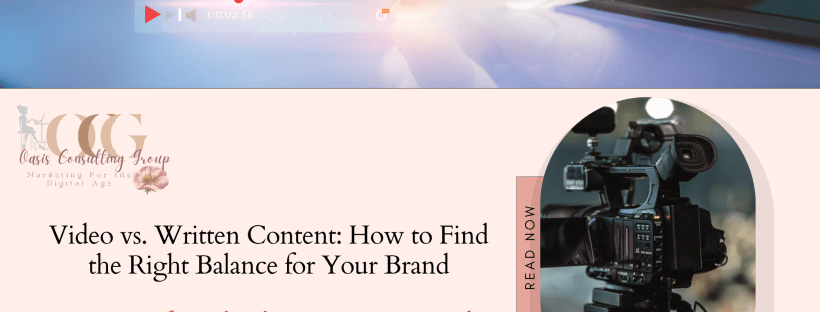
Video vs. Written Content: How to Find the Right Balance for Your Brand

In today’s content-driven world, brands are constantly asking the same question: Should I focus more on video or written content?

The truth is, both formats are powerful—when used strategically. Written content builds SEO authority, educates in depth, and provides shareable resources. Meanwhile, video captures attention quickly, tells a visual story, and builds stronger emotional connections.

Rather than choosing one over the other, the key is to find the right balance for your audience, goals, and platforms. Here’s how to decide what works best—and how to integrate both effectively.

Understanding the Power of Video Content

Video content has exploded in popularity—and for good reason. It’s dynamic, attention-grabbing, and often more engaging than text. According to recent studies:

  • Viewers retain 95% of a message when they watch it in a video vs. only 10% when reading it.
  • Video increases website dwell time and reduces bounce rates.
  • Social media algorithms favor video, especially short-form content like Reels, TikToks, and YouTube Shorts.

Video is great for:

  • Brand storytelling
  • Product demonstrations
  • Testimonials
  • Tutorials
  • Behind-the-scenes content

However, video can be more time-consuming and expensive to produce, and not everyone prefers watching over reading.

Continue reading

How to Transition from Contractor to Business Owner in Construction

Many skilled contractors start out working independently, relying on their tools, talent, and hard work to get the job done. But as demand grows, so does the opportunity—and the need—to shift from being “on the tools” to running a full-fledged construction business.

This transition is one of the most important and challenging phases in a contractor’s career. It requires a shift from doing the work to leading a team, managing finances, building systems, and growing a brand. Here’s how to successfully make the leap from contractor to business owner.

1. Change Your Mindset

The first step in the transition is understanding that you’re no longer just a contractor—you’re now the CEO. That means you need to think long-term, delegate, and make decisions based on what’s best for the business, not just the job.

Ask yourself:

  • Are you working in the business or on the business?
  • Can your company run without you swinging the hammer?

The sooner you adopt a leadership mindset, the sooner your business can scale.

Continue reading

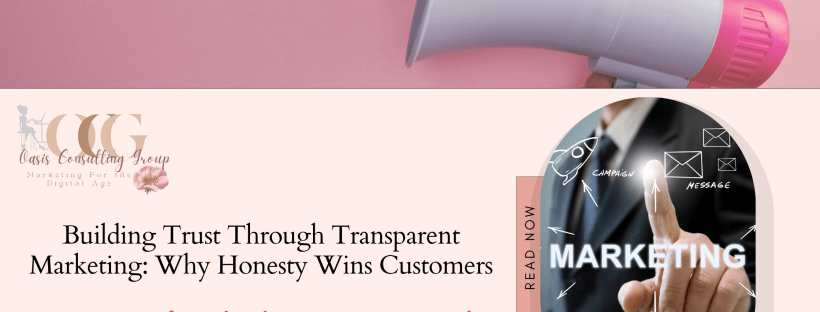
Building Trust Through Transparent Marketing: Why Honesty Wins Customers

Trust is the foundation of every successful business relationship. And in today’s competitive, fast-paced marketplace, consumers are smarter and more skeptical than ever. They’re no longer swayed by exaggerated claims or flashy promises—they’re looking for authenticity, honesty, and transparency.

Enter transparent marketing: a strategy rooted in truth-telling, clarity, and integrity. When done right, transparent marketing doesn’t just build trust—it transforms followers into loyal brand advocates.

So, how do you create a marketing strategy that’s open, honest, and effective? Let’s break down the essentials.

Essential Idea #1. Be Clear About What You Offer

Misleading promotions and vague messaging may get a click—but they won’t get loyalty. Be upfront about what your product or service does (and doesn’t do). Let people know exactly what they’re getting and what results to expect.

Example: If your skincare product takes 3 weeks to show results, don’t advertise “overnight miracles.” Customers appreciate honesty—and they’ll remember it.

Continue reading

How to Implement a Successful Referral Program That Drives Growth

In a world where trust in traditional advertising is declining, word-of-mouth referrals are more powerful than ever. Studies show that people are 4x more likely to buy when referred by a friend—and referral customers have a 37% higher retention rate.

So how do you harness this power? With a well-crafted referral program that incentivizes happy clients to spread the word and rewards them for doing so.

Let’s break down the steps to build and implement a referral program that’s easy to manage, trackable, and delivers long-term results.

Define Your Goals and Audience

Start by deciding what success looks like. Are you looking to gain more leads? Increase customer loyalty? Boost sales in a specific product or service? Knowing your goals will help you design the right referral structure and choose the most appealing rewards for your audience.

Also, consider who your ideal referrers are. Are they past clients? Existing subscribers? Partners in your industry? Tailoring your program to the right audience increases engagement.

Continue reading

The Importance of Mobile-Friendly Websites in Today’s Digital World

In today’s fast-paced, mobile-first world, people are browsing, shopping, and connecting on their phones more than ever before. According to recent data, over 60% of global web traffic now comes from mobile devices. That means if your website isn’t optimized for mobile use, you’re potentially turning away a huge portion of your audience before they even have a chance to engage.

A mobile-friendly website is more than just a responsive design—it’s about providing a smooth, seamless experience across all devices. From faster loading times to easy navigation and readable content, mobile optimization plays a critical role in how your audience perceives your brand—and whether or not they convert.

First Impressions Matter

When someone lands on your site via their phone and it’s slow to load, cluttered, or hard to navigate, chances are they’ll bounce within seconds. Your mobile site is often the first impression of your business. If it’s not intuitive and engaging, you could lose credibility—and customers.

Continue reading

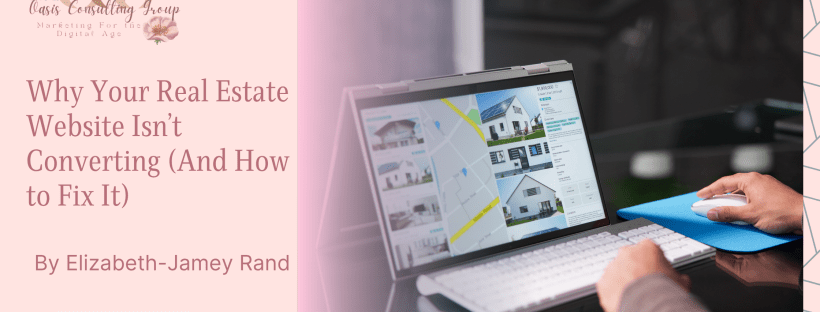
Why Your Real Estate Website Isn’t Converting (And How to Fix It)

You’ve invested time, money, and energy into building a real estate website. You’re getting traffic, but your leads are low, and your contact forms are collecting digital dust. Sound familiar?

A non-converting website can be frustrating, but the good news is that it’s fixable. Whether you’re a solo agent or a full team, your website should be your best salesperson, working 24/7 to bring in warm, qualified leads. If it’s not doing that, here are some reasons why—and how to turn things around.

Reason #1. Lack of Clear Calls-to-Action (CTAs)

One of the most common mistakes? Your visitors don’t know what to do next. If your CTAs are vague (or missing entirely), users won’t convert.

Fix It:

Use bold, clear CTAs like “Schedule a Tour,” “Get Your Free Home Valuation,” or “Download Our Buyer’s Guide.” Place them strategically—at the top, middle, and end of your pages.

Continue reading

Creating a Consistent Brand Voice Across Platforms: Why It Matters and How to Do It

In today’s digital world, customers interact with your brand in many different places—your website, social media, emails, ads, blogs, and even in the comment section. If your tone and messaging feel different on each platform, it can confuse your audience, weaken your credibility, and make your brand forgettable.

That’s where a consistent brand voice comes in.

Your brand voice is more than just the words you use—it’s your personality, tone, and communication style. It’s how your audience gets to know you and decides whether they trust you. The more consistent your voice, the more memorable and professional your brand becomes.

Let’s explore why consistency matters and how to create a voice that sticks.

Why Brand Voice Consistency Matters

A consistent brand voice builds recognition, trust, and loyalty. When people know what to expect from your messaging—whether they’re reading your Instagram captions or an email newsletter—they’re more likely to feel connected and engaged.

Inconsistent messaging, on the other hand, can make your brand feel disjointed or untrustworthy. If your website is formal but your social media is overly casual or off-brand, you risk sending mixed signals.

Continue reading