
Local SEO Tips for Realtors to Attract More Clients

Why Local SEO Matters for Realtors

Most homebuyers start their search online. If your real estate business isn’t visible in local search results, you’re missing potential clients. Local SEO helps your business appear when prospects are searching for realtors or properties in your area, building credibility and trust.

Key Local SEO Strategies

  1. Optimize Your Google Business Profile – Include accurate contact info, hours, photos, and client reviews.
  2. Use Local Keywords – Include city and neighborhood names in your website content, meta tags, and blog posts.
  3. Encourage Reviews – Positive reviews improve visibility and trust in search results.
  4. Mobile-Friendly Website – Most property searches are done on mobile; ensure your site loads fast and is easy to navigate.
  5. Local Content Marketing – Write blog posts about neighborhoods, market trends, or local events to attract relevant traffic.
Continue reading

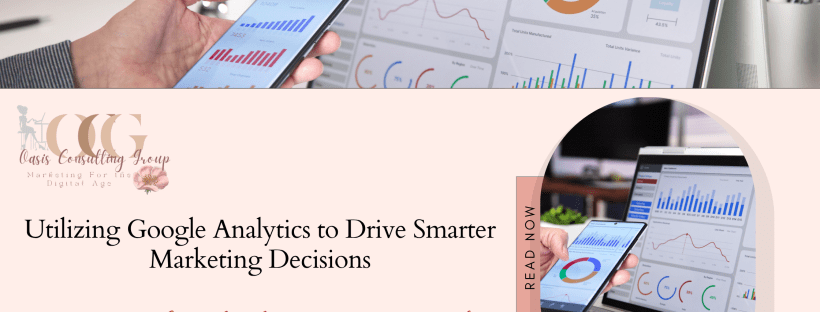
Utilizing Google Analytics to Drive Smarter Marketing Decisions

Understanding the Power of Google Analytics

Every business owner wants to know what’s working, and what’s not. Google Analytics gives you that insight. It’s a free tool that turns your website data into actionable information so you can make better decisions about where to spend time, money, and effort.

When you understand your data, you stop guessing and start growing intentionally.

What Google Analytics Can Tell You

From how people find your website to how long they stay; Google Analytics offers a full picture of user behavior. You can see:

  1. Which traffic sources bring the most visitors
  2. What pages keep people engaged
  3. How often people convert into leads or customers

This information helps you identify what’s working, what’s lagging, and where to focus next.

Continue reading

Why Construction Companies Need Business Consultants: Avoiding the Halloween Horror of Costly Mistakes

October brings pumpkin spice, falling leaves, and spooky stories—but for many construction companies, the real fright is hidden in their day-to-day operations. Uncontrolled costs, poor project timelines, unqualified leads, and inconsistent marketing can all creep up on you like a masked villain in the dark.

If you’ve been feeling like your construction business is stuck in a haunted maze, a business consultant could be the silver bullet you need to escape the nightmare and build a future that’s solid as stone.

Let’s grab our metaphorical stakes, garlic, and ghost traps and explore why your construction company needs a consultant—before the real scares set in.

1. Consultants Exorcise the Ghosts of Poor Planning

Poor planning can be the silent phantom that haunts your profitability. Without clear budgets, timelines, and project goals, you’re inviting chaos into your company. A business consultant can help you develop strategies that eliminate these shadows before they materialize.

They can identify exactly where your money and time are leaking away, just like tracking down a poltergeist in an old mansion—only with spreadsheets instead of Ouija boards.

Continue reading

How Realtors Can Use Canva to Create Stunning, High-Quality Listing Graphics

In today’s visually driven real estate market, the first impression your property makes often happens long before a buyer steps through the door—it happens online. The photos, videos, and graphics you use in your listings can determine whether someone clicks through or scrolls past.

Canva, the user-friendly online design platform, is a realtor’s secret weapon for creating professional, eye-catching graphics in minutes. With its templates, stock photos, fonts, and customization tools, Canva allows even design beginners to create polished, branded visuals that get noticed.

Here’s how to use Canva to make your listings shine.

1. Start with a Template That Fits Your Brand

Canva offers thousands of pre-made templates for real estate, from Instagram posts to open house flyers. Instead of starting from scratch, choose a layout that matches your aesthetic and your audience.

Pro Tip: Select a few consistent templates to use across all your listings. This creates a recognizable style that reinforces your brand identity.

Continue reading

Boo! Your Website Just Scared Away a Customer

How Bad Design and Slow Sites Are Costing You Sales

We all know Halloween is about scary costumes and haunted houses—but there’s one thing that’s frightening year-round: a poorly designed, slow, or outdated website.

If your site is confusing, hard to navigate, or takes forever to load, you’re not just giving visitors a bad experience—you’re sending potential customers running in the opposite direction.

Think of your website as your digital storefront. It’s often the first impression a customer will have of your business. And just like a dusty, unlit shop with no signage, a bad website sends the message: “Don’t come in.”

First Impressions Happen Fast

It takes less than 3 seconds for a website visitor to form an opinion about your brand. That’s all the time you get.

If your site:

  • Loads slowly
  • Looks outdated
  • Isn’t mobile-friendly
  • Has broken links
  • Lacks clear calls-to-action

Then that visitor may leave before you even know they were there. And they likely won’t come back.

Continue reading

Beware the Black Cat of Branding: Avoiding the Superstitions That Sabotage Your Success

How Inconsistent Branding Can Scare Away Your Customers

Branding is more than just a logo or color scheme—it’s the personality and promise your business makes to the world.

But if your branding is inconsistent or unclear, it’s like a black cat crossing your customer’s path: a subtle, yet powerful reason they might hesitate to trust or choose you.

Inconsistent branding can confuse potential customers, dilute your message, and ultimately cost you sales and loyalty.

What Is Branding Consistency?

Brand consistency means presenting your business the same way, every time, across every channel. This includes:

  • Visual elements (logo, colors, fonts)
  • Tone and voice in your messaging
  • Customer experience and service style
  • Core values and mission

When these elements align, your brand becomes recognizable and trustworthy. When they don’t, your audience feels uncertain or disconnected.

Continue reading

Should Realtors Be on TikTok? The Pros and Cons You Need to Know

If you’re a realtor, you’ve probably noticed that TikTok is no longer just for dance challenges and viral memes. With over 1 billion active users worldwide, TikTok has become a marketing powerhouse for industries ranging from fashion to finance—and yes, even real estate.

The question is: should you invest your time and energy into creating content for TikTok? Or is it just another shiny social media distraction? Let’s break down the benefits and drawbacks so you can make an informed decision.

The Pros of TikTok for Realtors

1. Massive Audience Reach

TikTok’s algorithm is designed to put your content in front of people who might not even follow you. That means even a brand-new account can go viral if the content resonates. This gives realtors the opportunity to reach potential buyers, sellers, and investors who may have never discovered them otherwise.

Continue reading

The Curse of DIY Marketing When Doing It Yourself Costs You More

Why Every Overworked Business Owner Needs a Virtual Assistant

Running your own business can be incredibly rewarding—but let’s be honest, it can also be exhausting. From handling customer service, updating your website, writing emails, managing your calendar, planning social media, and remembering to send that invoice you meant to send three days ago… it’s easy to feel like you’re trapped in a never-ending loop of to-dos.

Sound familiar? That feeling you’re battling isn’t just stress—it’s business overwhelm. And it doesn’t go away by just “working harder.” It goes away by working smarter—and often, that starts with asking for help.

The Reality of Trying to Do It All

If you’re a solo entrepreneur or small business owner, chances are you’ve taken on way more than your fair share. You wear every hat: CEO, marketing manager, admin assistant, bookkeeper, tech support.

The problem? You didn’t start your business to become a full-time task juggler.

When you try to do everything yourself, you hit a wall. Productivity drops. Burnout rises. And ironically, the business you worked so hard to build starts feeling like a job you want to escape from.

Here’s what that looks like:

  • Missing client emails because your inbox is overflowing
  • Skipping marketing efforts because you “don’t have time”
  • Struggling to keep up with social media consistency
  • Avoiding important growth tasks because you’re stuck in admin work
  • Feeling stressed every time your phone buzzes

Overwhelm isn’t a badge of honor. It’s a warning sign—and one you shouldn’t ignore.

Continue reading

What Every Realtor Should Include in Their Email Signature to Boost Leads and Trust

When it comes to real estate marketing, agents spend countless hours perfecting their websites, social media content, and listings. But one of the most overlooked — and yet most effective — tools for building credibility and generating leads is the humble email signature.

Think about it: every email you send is a mini marketing opportunity. Whether you’re responding to a client inquiry, sending property details, or following up on a showing, your signature appears at the bottom of each message. Done right, it doesn’t just provide contact information — it reinforces your personal brand, builds trust, and can even help convert prospects into clients.

Let’s break down exactly what every realtor should include in their email signature to maximize impact.

1. Your Full Name and Professional Title

This may seem obvious, but your full name should be paired with your official title (e.g., Licensed Realtor®, Real Estate Agent, Broker Associate). Including your title builds authority and reassures recipients they’re dealing with a qualified professional.

Example:

Jane Smith

Licensed Realtor® | Luxury Homes Specialist

Continue reading

Is Your Business Haunted by Missed Opportunities?

The Scary Stats Every Small Business Owner Should Know About DIY Marketing

We’ve all heard the phrase, “If you want something done right, do it yourself.”

But when it comes to marketing your small business, that mindset can be more harmful than helpful.

The truth is, DIY marketing might be holding your business back in ways you don’t even realize. From inconsistent branding and half-finished email campaigns to neglected social media and forgotten leads, trying to do everything on your own isn’t just overwhelming—it’s costly.

If your business isn’t growing the way it should, it may not be because of what you’re doing wrong. It might be what you’re not doing at all.

Continue reading