
Building Trust Through Transparent Marketing: Why Honesty Wins Customers

Trust is the foundation of every successful business relationship. And in today’s competitive, fast-paced marketplace, consumers are smarter and more skeptical than ever. They’re no longer swayed by exaggerated claims or flashy promises—they’re looking for authenticity, honesty, and transparency.

Enter transparent marketing: a strategy rooted in truth-telling, clarity, and integrity. When done right, transparent marketing doesn’t just build trust—it transforms followers into loyal brand advocates.

So, how do you create a marketing strategy that’s open, honest, and effective? Let’s break down the essentials.

Essential Idea #1. Be Clear About What You Offer

Misleading promotions and vague messaging may get a click—but they won’t get loyalty. Be upfront about what your product or service does (and doesn’t do). Let people know exactly what they’re getting and what results to expect.

Example: If your skincare product takes 3 weeks to show results, don’t advertise “overnight miracles.” Customers appreciate honesty—and they’ll remember it.

Continue reading

Top 5 Branding Tips for New Real Estate Agents Looking to Stand Out

As a new real estate agent, one of the most important things you can do is build a brand that stands out. Real estate is a relationship-driven business, and your brand is what helps people connect with you before you ever meet. It’s more than a logo or a headshot—it’s how people perceive your values, personality, and expertise.

If you’re ready to attract your ideal clients and start building credibility in your market, here are five powerful branding tips to guide you.

Tip #1. Define Your Niche and Target Audience

Trying to appeal to everyone usually ends up appealing to no one. The best brands are focused and intentional. Are you passionate about helping first-time homebuyers? Do you love luxury properties? Is your strength working with investors?

Define who you want to serve and craft your messaging, visuals, and content to speak directly to that group. The clearer your niche, the more easily clients will recognize that you’re the right fit for them.

Continue reading

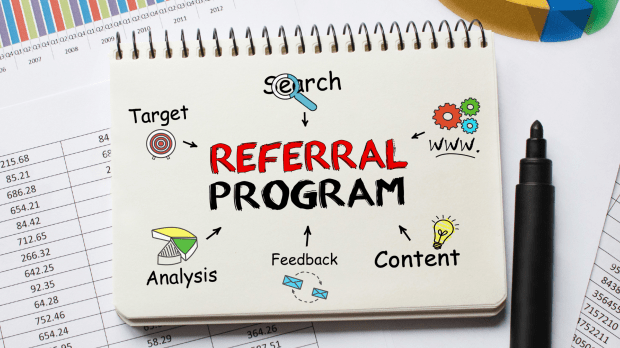
How to Implement a Successful Referral Program That Drives Growth

In a world where trust in traditional advertising is declining, word-of-mouth referrals are more powerful than ever. Studies show that people are 4x more likely to buy when referred by a friend—and referral customers have a 37% higher retention rate.

So how do you harness this power? With a well-crafted referral program that incentivizes happy clients to spread the word and rewards them for doing so.

Let’s break down the steps to build and implement a referral program that’s easy to manage, trackable, and delivers long-term results.

Define Your Goals and Audience

Start by deciding what success looks like. Are you looking to gain more leads? Increase customer loyalty? Boost sales in a specific product or service? Knowing your goals will help you design the right referral structure and choose the most appealing rewards for your audience.

Also, consider who your ideal referrers are. Are they past clients? Existing subscribers? Partners in your industry? Tailoring your program to the right audience increases engagement.

Continue reading

Top Mistakes Small Construction Companies Make (And How to Avoid Them)

Small construction companies are the backbone of the building industry—but they’re also the most vulnerable when it comes to business missteps. With tight budgets, lean teams, and a competitive market, even minor mistakes can cause major setbacks. The good news? Most of these mistakes are avoidable with the right strategies and systems in place.

Whether you’re just starting out or looking to scale, here are some of the most common mistakes small construction companies make—and how you can avoid them.

Mistake #1. Poor Financial Management

Many small construction businesses fail to track expenses, monitor profits, or separate personal and business finances. This leads to cash flow issues, unexpected shortfalls, and trouble funding future projects.

How to Avoid It:

Invest in bookkeeping software like QuickBooks or hire an accountant familiar with the construction industry. Keep your business finances organized and review your cash flow regularly.

Continue reading

The Importance of Mobile-Friendly Websites in Today’s Digital World

In today’s fast-paced, mobile-first world, people are browsing, shopping, and connecting on their phones more than ever before. According to recent data, over 60% of global web traffic now comes from mobile devices. That means if your website isn’t optimized for mobile use, you’re potentially turning away a huge portion of your audience before they even have a chance to engage.

A mobile-friendly website is more than just a responsive design—it’s about providing a smooth, seamless experience across all devices. From faster loading times to easy navigation and readable content, mobile optimization plays a critical role in how your audience perceives your brand—and whether or not they convert.

First Impressions Matter

When someone lands on your site via their phone and it’s slow to load, cluttered, or hard to navigate, chances are they’ll bounce within seconds. Your mobile site is often the first impression of your business. If it’s not intuitive and engaging, you could lose credibility—and customers.

Continue reading

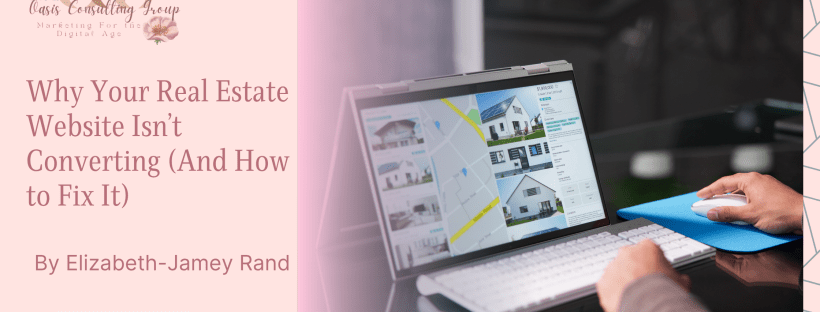
Why Your Real Estate Website Isn’t Converting (And How to Fix It)

You’ve invested time, money, and energy into building a real estate website. You’re getting traffic, but your leads are low, and your contact forms are collecting digital dust. Sound familiar?

A non-converting website can be frustrating, but the good news is that it’s fixable. Whether you’re a solo agent or a full team, your website should be your best salesperson, working 24/7 to bring in warm, qualified leads. If it’s not doing that, here are some reasons why—and how to turn things around.

Reason #1. Lack of Clear Calls-to-Action (CTAs)

One of the most common mistakes? Your visitors don’t know what to do next. If your CTAs are vague (or missing entirely), users won’t convert.

Fix It:

Use bold, clear CTAs like “Schedule a Tour,” “Get Your Free Home Valuation,” or “Download Our Buyer’s Guide.” Place them strategically—at the top, middle, and end of your pages.

Continue reading

Creating a Consistent Brand Voice Across Platforms: Why It Matters and How to Do It

In today’s digital world, customers interact with your brand in many different places—your website, social media, emails, ads, blogs, and even in the comment section. If your tone and messaging feel different on each platform, it can confuse your audience, weaken your credibility, and make your brand forgettable.

That’s where a consistent brand voice comes in.

Your brand voice is more than just the words you use—it’s your personality, tone, and communication style. It’s how your audience gets to know you and decides whether they trust you. The more consistent your voice, the more memorable and professional your brand becomes.

Let’s explore why consistency matters and how to create a voice that sticks.

Why Brand Voice Consistency Matters

A consistent brand voice builds recognition, trust, and loyalty. When people know what to expect from your messaging—whether they’re reading your Instagram captions or an email newsletter—they’re more likely to feel connected and engaged.

Inconsistent messaging, on the other hand, can make your brand feel disjointed or untrustworthy. If your website is formal but your social media is overly casual or off-brand, you risk sending mixed signals.

Continue reading

Building a Brand That Lasts in the Construction Industry

Branding isn’t just for flashy consumer products or tech companies—it’s crucial for the construction industry, too. Whether you’re a solo contractor, a growing firm, or a seasoned builder, your brand sets the tone for how clients, vendors, and competitors perceive your business. In an industry where trust and reputation carry enormous weight, a strong, consistent brand can be the difference between a one-time job and a long-term contract.

But branding goes far beyond a clever logo or catchy slogan. It’s the complete experience your business delivers—from your marketing materials and worksite professionalism to your communication style and job performance. Here’s how to build a brand in the construction industry that’s built to last.

1. Define Your Brand Values and Mission

Start by identifying what your company stands for. Do you pride yourself on reliability, innovation, craftsmanship, or sustainability? Your values are what set you apart from the competition and give your clients a reason to trust you.

Pro Tip: Put your mission and core values in writing and display them on your website, proposals, and job sites. Clients connect with businesses that have a clear purpose.

Continue reading

Strategies for Building a Strong Online Community That Lasts

In an era where digital noise is constant and attention is fleeting, a thriving online community can be one of the most powerful assets a brand or business can build. It goes beyond likes and shares—it’s about creating a space where your audience feels seen, valued, and connected.

A strong online community not only boosts engagement but also creates brand advocates, drives repeat business, and provides real-time feedback. So how do you go from being just another account online to building a loyal tribe that interacts, shares, and grows with you? Here are some tried-and-true strategies.

Strategy #1. Define Your Community’s Purpose

Start by asking: Why are people here? What do they gain by being part of your community? A clear purpose gives your audience a reason to engage and return. Whether it’s to share tips, gain motivation, or find support, your content and communication should reflect that purpose consistently.

Example:

If you’re a real estate coach, your community could focus on industry trends, success tips, and motivational content for agents.

Strategy #2. Show Up Consistently

Consistency breeds familiarity and trust. Post regularly, engage with comments, and be visible in your community. The more often you show up with value-driven content, the more likely your audience is to stick around.

Pro tip: Use a content calendar and mix it up with posts, stories, polls, Q&As, and live sessions.

Continue reading

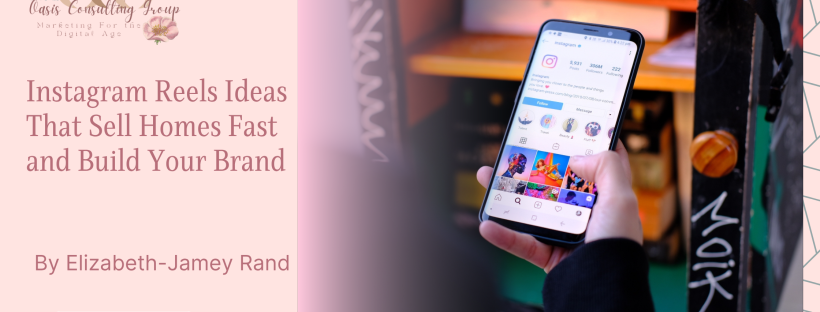
Instagram Reels Ideas That Sell Homes Fast and Build Your Brand

Instagram Reels have become one of the most effective ways to reach potential buyers and grow your real estate brand online. With the ability to engage users through short, entertaining, and informative videos, Reels offer real estate agents a unique opportunity to stand out in a crowded market—and sell homes faster.

If you’re not sure where to start or feel like you’ve run out of creative juice, we’ve got you covered. Below are powerful Instagram Reels ideas designed specifically for real estate professionals to grab attention, build credibility, and move properties off the market.

Idea #1. Property Walkthroughs (With a Twist)

Skip the boring pan shots. Make your walkthroughs engaging by adding upbeat music, highlighting unique features (“Check out this wine cellar!”), or doing a voiceover tour with fun facts. Try a “1-minute home tour” series to keep it short and punchy.

Idea #2. “Before & After” Home Transformations

Show the magic of staging, renovations, or landscaping upgrades. Buyers love visual proof of potential. Pair with trending music or use a dramatic transition for extra impact.

Continue reading