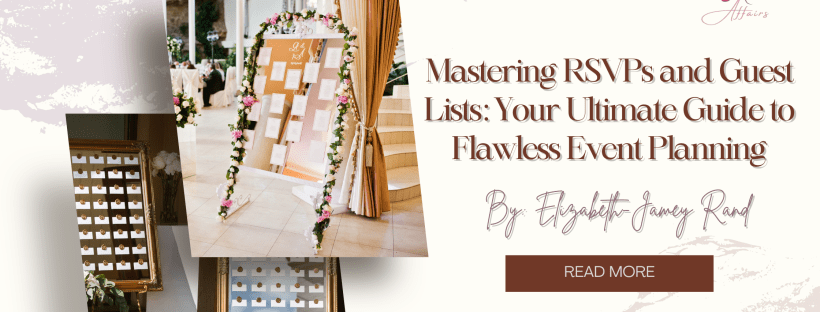
Organizing an event is much like conducting an orchestra; every element must be in perfect harmony. One of the most critical elements that can make or break your event is how you manage your RSVPs and guest lists. In this comprehensive guide, we’ll dive into the essential strategies for streamlining your RSVP process and maintaining a dynamic guest list ensuring a seamless event experience.
Continue readingTag: Custom Events
The Art of Product Launches: Essential Tips for Planning a Successful Event

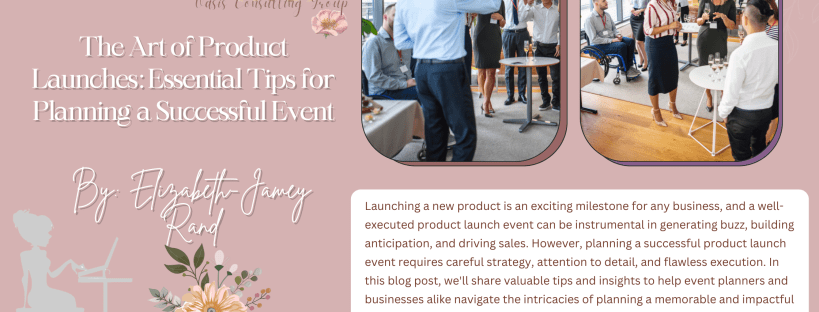
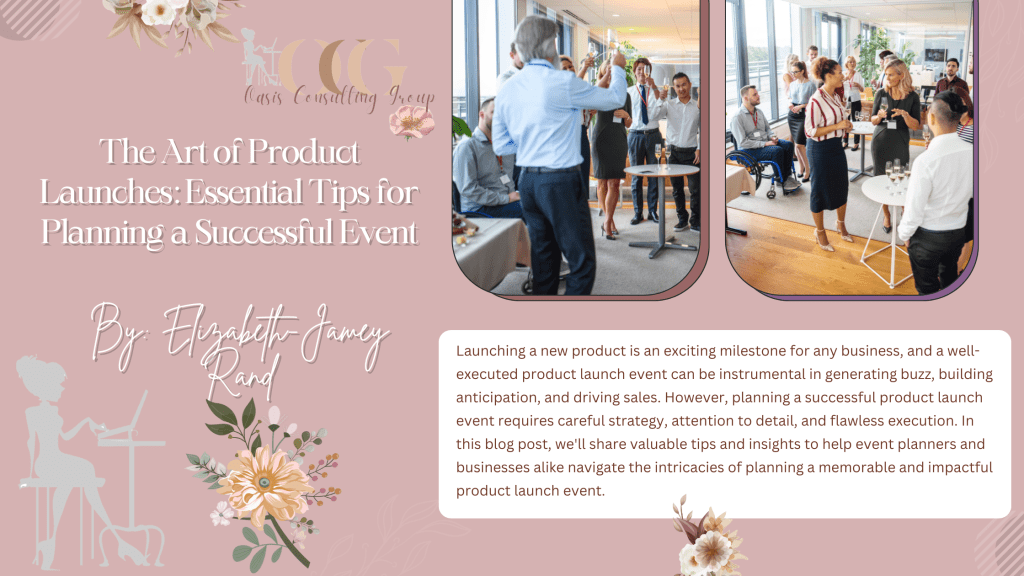
Launching a new product is an exciting milestone for any business, and a well-executed product launch event can be instrumental in generating buzz, building anticipation, and driving sales. However, planning a successful product launch event requires careful strategy, attention to detail, and flawless execution. In this blog post, we’ll share valuable tips and insights to help event planners and businesses alike navigate the intricacies of planning a memorable and impactful product launch event.
Define Your Objectives and Audience:
Start by clearly defining your objectives for the product launch event. Determine what you aim to achieve, whether it’s increasing brand awareness, driving sales, or engaging with key stakeholders. Additionally, identify your target audience and tailor the event experience to resonate with their interests and preferences.
Example: If your objective is to generate media coverage and industry buzz, prioritize inviting journalists, influencers, and industry insiders to the event.
Continue readingTips for Crafting a Budget-Friendly Event Without Sacrificing Style

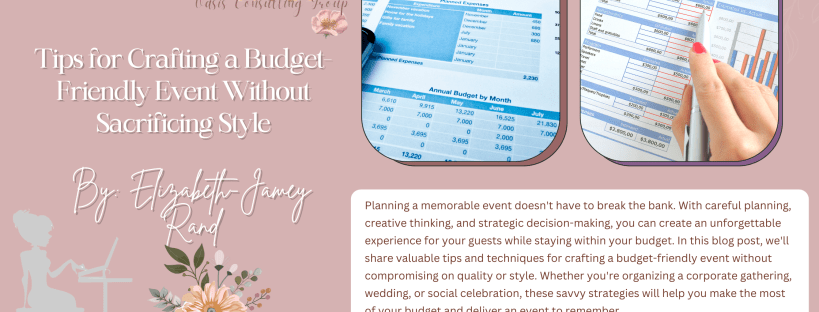
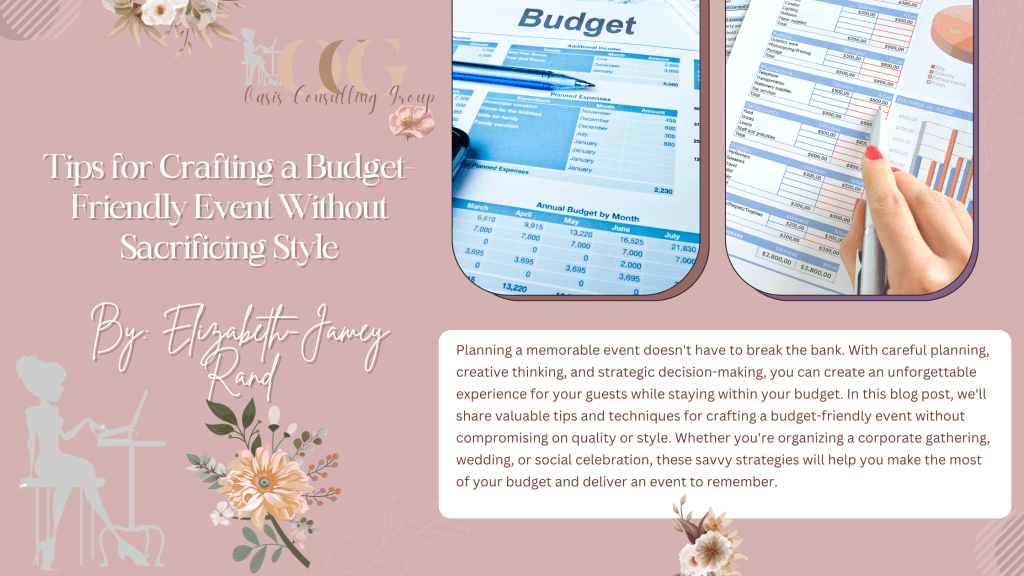
Planning a memorable event doesn’t have to break the bank. With careful planning, creative thinking, and strategic decision-making, you can create an unforgettable experience for your guests while staying within your budget. In this blog post, we’ll share valuable tips and techniques for crafting a budget-friendly event without compromising on quality or style. Whether you’re organizing a corporate gathering, wedding, or social celebration, these savvy strategies will help you make the most of your budget and deliver an event to remember.
Define Your Budget and Priorities:
Start by establishing a clear budget for your event and identifying your top priorities. Determine how much you’re willing to spend on different aspects of the event, such as venue rental, catering, entertainment, and decor.
Example: Allocate a larger portion of your budget to elements that are most important to you or your client, such as venue ambiance or gourmet catering, while seeking cost-effective solutions for other areas.
Continue readingFrom Tradition to Transformation: The Evolution of Event Planning Businesses Through Time

The art of event planning has a rich and storied history, evolving from simple gatherings and celebrations to complex and immersive experiences. Over the years, event planning businesses have adapted to changing societal trends, technological advancements, and cultural shifts, shaping the landscape of the industry as we know it today. In this blog post, we’ll explore the fascinating history and evolution of event planning businesses, tracing their journey from humble beginnings to the dynamic and diverse industry it is today.
Early Beginnings:
The origins of event planning can be traced back to ancient civilizations, where gatherings and celebrations played a central role in community life. From ancient festivals and religious ceremonies to royal banquets and courtly events, early event planners were tasked with organizing and coordinating these elaborate affairs.
Example: In ancient Greece, event planners known as “symposiarchs” were responsible for organizing symposia, or social gatherings, where guests would engage in philosophical discussions, music, and revelry.
Continue readingCorporate Event Planning 2024: Embracing the Top Trends for Success

As we enter a new era of corporate events in 2024, event planners must stay ahead of the curve and embrace the latest trends to deliver impactful and memorable experiences for their clients. From innovative technologies to sustainability initiatives and experiential activations, the landscape of corporate event planning is evolving rapidly. In this blog post, we’ll explore the top trends shaping corporate events in 2024 and provide insights to help event planners stay at the forefront of the industry.
Trend #1 – Hybrid and Virtual Events:
With the continued impact of the pandemic and the rise of remote work, hybrid and virtual events have become essential components of corporate event planning. Leveraging advanced virtual event platforms and interactive technologies, event planners can create immersive experiences that engage remote attendees and extend the reach of their events.
Example: Incorporate features such as live streaming, virtual networking lounges, and interactive Q&A sessions to enhance the virtual attendee experience and foster meaningful connections.
Continue readingElevate Every Experience: Small Touches to Enhance Guest Comfort at Your Events

As an event planner, creating a memorable and enjoyable experience for your guests goes beyond the logistics and aesthetics of the event itself. It’s about paying attention to the small details and thoughtful touches that make guests feel welcomed, valued, and comfortable throughout the event. In this blog post, we’ll explore creative ways to enhance guest comfort through small touches, leaving a lasting impression on attendees and ensuring the success of your events.
Touch #1 – Welcome Drinks and Refreshments:
Start your event on a refreshing note by offering welcome drinks or refreshments to guests upon arrival. Whether it’s a glass of champagne, a signature mocktail, or infused water with fresh fruit, a welcoming beverage sets the tone for a memorable experience.
Example: Create a custom cocktail or mocktail inspired by the event theme or location, and serve it in stylish glassware with a decorative garnish.
Continue readingUnleash Your Event Planning Superpowers: Top Tips for Maximum Productivity

In the fast-paced world of event planning, staying organized, focused, and productive is essential for success. From managing multiple tasks and deadlines to coordinating vendors and clients, event planners juggle a multitude of responsibilities on a daily basis. In this blog post, we’ll share top tips and tricks to boost your productivity and streamline your workflow, empowering you to plan and execute flawless events with ease.
Set Clear Goals and Priorities:
Begin by defining clear goals and priorities for each event or project. Identify the most critical tasks and deadlines, and allocate your time and resources accordingly.
Example: Use a project management tool like Trello or Asana to create task lists and set deadlines for each milestone of your event planning process.
Continue readingWhy Mainstream Events Fail

In the dynamic world of event planning, even the most well-intentioned and meticulously planned events can sometimes fall short of expectations. Whether it’s a corporate conference, a product launch, or a community festival, understanding the reasons behind the failure of mainstream events is crucial for event planners seeking to avoid similar pitfalls in their own endeavors. In this blog post, we’ll delve into some common reasons why mainstream events fail and explore valuable lessons that event planners can learn from these experiences.
Lack of Clear Objectives and Vision:
One of the primary reasons for the failure of mainstream events is a lack of clear objectives and vision. Without a defined purpose or goal, events may lack focus and fail to resonate with attendees or stakeholders.
Example: A corporate conference that aims to showcase company achievements but fails to articulate clear objectives or deliver actionable takeaways for attendees.
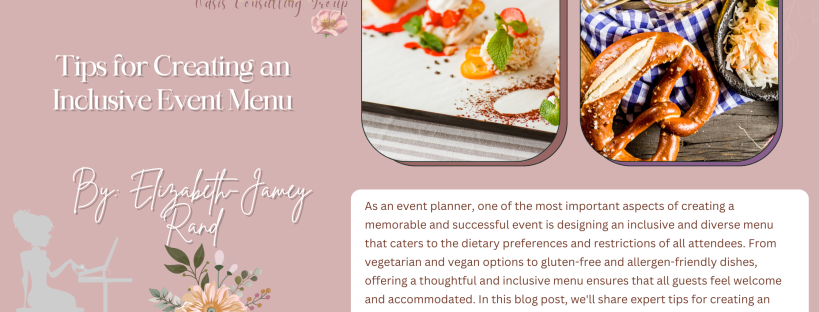
Continue readingTips for Creating an Inclusive Event Menu

As an event planner, one of the most important aspects of creating a memorable and successful event is designing an inclusive and diverse menu that caters to the dietary preferences and restrictions of all attendees. From vegetarian and vegan options to gluten-free and allergen-friendly dishes, offering a thoughtful and inclusive menu ensures that all guests feel welcome and accommodated. In this blog post, we’ll share expert tips for creating an inclusive event menu that delights all palates and dietary needs.
Understand Your Audience:
Start by understanding the dietary preferences and restrictions of your event attendees. Consider sending out a survey or questionnaire to gather information about dietary restrictions, food allergies, and cultural or religious dietary preferences.
Example: If you’re planning a corporate event, take into account the diverse dietary needs of your employees, including vegetarians, vegans, gluten-free individuals, and those with food allergies.
Continue readingTop 10 Ways to Promote Your Event

Promoting your event effectively is crucial to its success. Whether you’re planning a corporate conference, a charity fundraiser, or a social gathering, getting the word out and attracting attendees is essential for achieving your event goals. In this blog post, we’ll explore the top 10 ways to promote your event and ensure its success, helping you reach your target audience and maximize attendance.
Idea #1. Create Compelling Event Invitations
Start by creating compelling event invitations that capture the attention of your target audience and entice them to attend. Use eye-catching graphics, persuasive copy, and clear call-to-action buttons to encourage recipients to RSVP and secure their spot at the event. Consider personalizing invitations with the recipient’s name or including exclusive incentives or discounts to incentivize attendance.
Idea #2. Leverage Social Media Platforms
Harness the power of social media platforms to promote your event and engage with your audience. Create event pages on platforms such as Facebook, LinkedIn, and Instagram to share event details, updates, and behind-the-scenes content. Use targeted advertising and promotional campaigns to reach specific demographics and expand your event’s reach to a wider audience.
Idea #3. Utilize Email Marketing Campaigns
Email marketing campaigns are an effective way to communicate with your audience and drive attendance to your event. Create segmented email lists based on factors such as demographics, interests, and past attendance to tailor your messaging and increase engagement. Send personalized invitations, event reminders, and exclusive offers to encourage recipients to register and attend your event.
Continue reading