Going Green: A Guide to Hosting a Zero-Waste Event

Events are a great way to bring people together for a common cause, but they can also generate a lot of waste. The good news is that it is possible to host a zero-waste event. By making some simple changes to the way you plan and execute your event, you can minimize its impact on the environment.

Here are some tips on how to host a zero-waste event:

Tip #1: Set your zero-waste goals: Define your objectives and set specific goals for waste reduction. Aim to minimize or eliminate waste sent to landfills throughout the event, including food waste, packaging, and single-use items.

Tip #2: Choose a sustainable venue: Select a venue that aligns with your zero-waste goals. Look for venues that have recycling programs in place, composting facilities, or eco-friendly practices. Consider outdoor venues that allow for natural waste management options.

Tip #3: Invitations and marketing materials: Opt for digital invitations and online ticketing platforms to minimize paper waste. If physical materials are necessary, choose recycled or biodegradable options. Encourage attendees to RSVP online to reduce paper waste.

Tip #4: Waste management plan: Develop a comprehensive waste management plan. Clearly label recycling, composting, and landfill bins, and place them strategically throughout the event space. Educate staff and attendees about proper waste segregation to maximize recycling and composting efforts.

Tip #5: Reduce single-use items: Eliminate or minimize the use of single-use items such as plastic cutlery, plates, and cups. Instead, opt for reusable or compostable alternatives made from biodegradable materials. Provide water stations for refilling reusable bottles instead of offering bottled water.

Continue reading
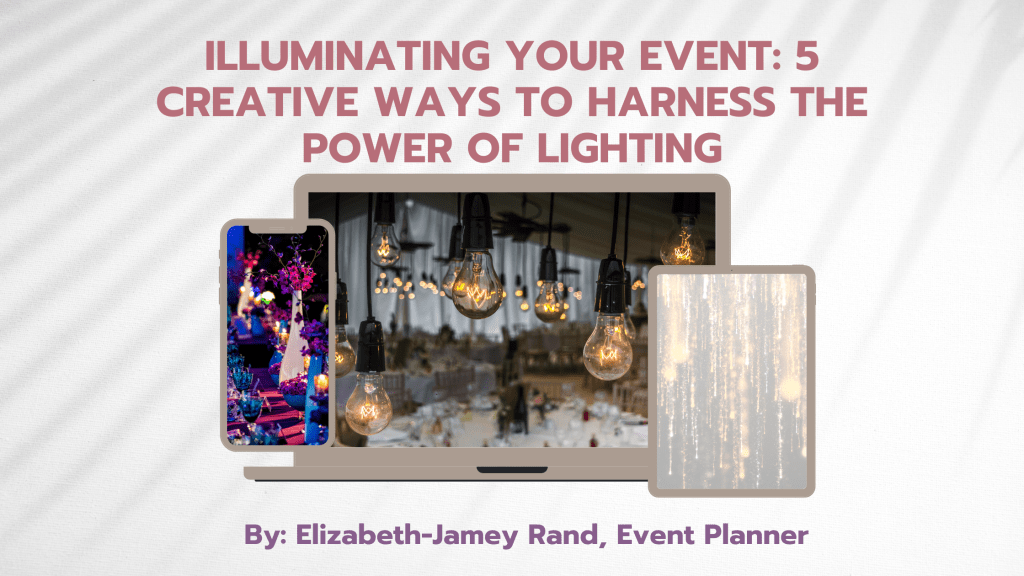
Illuminating Your Event: 5 Creative Ways to Harness the Power of Lighting

Event lighting is one of the most important aspects of event planning, yet it is often overlooked. Good lighting can transform a space and create an atmosphere that is conducive to your event’s success. Conversely, bad lighting can make a space seem drab, uninviting, and even dangerous.

There are many different types of lighting fixtures and technologies to choose from, and the options can seem overwhelming. But with a little creativity, you can find the perfect solution for your event.

In this blog post, we will explore 5 creative ways to use event lighting to transform your space and create an unforgettable experience for your guests.

Ambiance and Mood Setting: Use lighting to establish the desired ambiance and mood for your event. Experiment with different color schemes, intensity levels, and lighting effects to create the right atmosphere. For example, soft and warm lighting can create a cozy and intimate ambiance for a wedding reception, while vibrant and dynamic lighting can energize a corporate event.

Continue reading

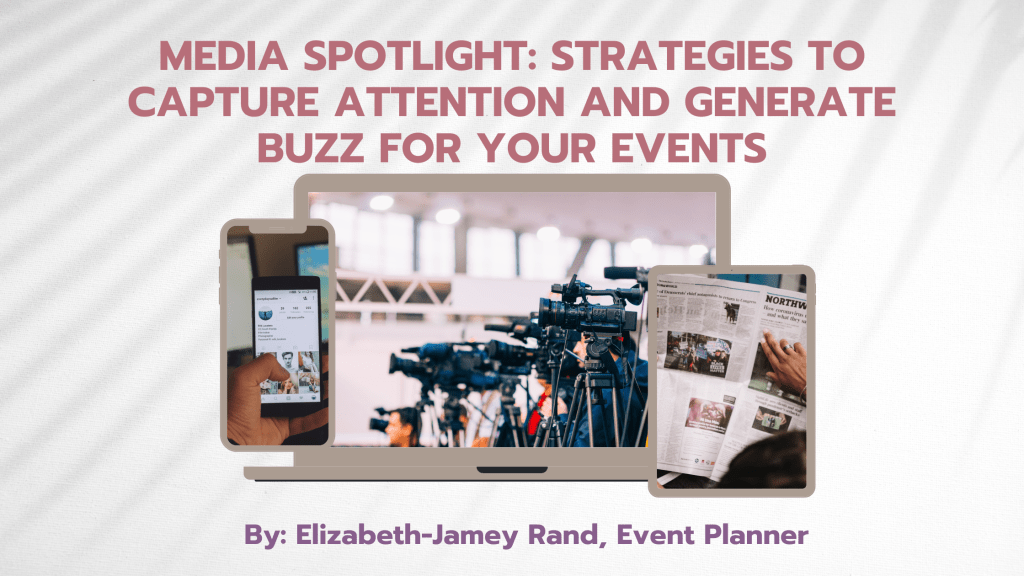
Media Spotlight: Strategies to Capture Attention and Generate Buzz for Your Events

The planning process of any event is crucial to its success, but often the most difficult and daunting task can be promoting your event to generate excitement and secure a spot on everyone’s calendar.

A little creativity goes a long way when it comes to promoting your event and with a little help from the media, you can turn your event into the talk of the town.

Here are a few tips and tricks on how to get started:

Strategy #1 – Develop a compelling press release: Craft a well-written press release that highlights the key details and unique aspects of your event. Include relevant information such as the event theme, purpose, notable attendees, and any newsworthy elements. Distribute the press release to local media outlets, industry-specific publications, and relevant online platforms.

Strategy #2 – Build relationships with journalists and influencers: Establish connections with journalists, reporters, and influential bloggers in your industry or local community. Engage with them through social media, attend industry events, and offer them exclusive access or interviews related to your event. Building relationships can increase the likelihood of media coverage.

Strategy #3 – Utilize social media and online platforms: Leverage the power of social media to create buzz around your event. Share engaging content, including event updates, behind-the-scenes footage, and sneak peeks. Encourage attendees, sponsors, and partners to share their excitement on social media, using event-specific hashtags. Engage with influencers and online communities related to your event’s niche to expand your reach.

Strategy #4 – Offer exclusive media opportunities: Provide unique opportunities for media outlets to cover your event. This can include exclusive interviews with keynote speakers or organizers, behind-the-scenes access, or early previews. Offer media representatives press passes or media kits that provide comprehensive event information and visuals.

Strategy #5 – Host a pre-event press conference or media preview: Organize a pre-event press conference or media preview where you can present key event details, showcase any noteworthy elements, and provide an opportunity for media professionals to ask questions and gather information. This can help generate initial media coverage and create anticipation for the event.

Continue reading

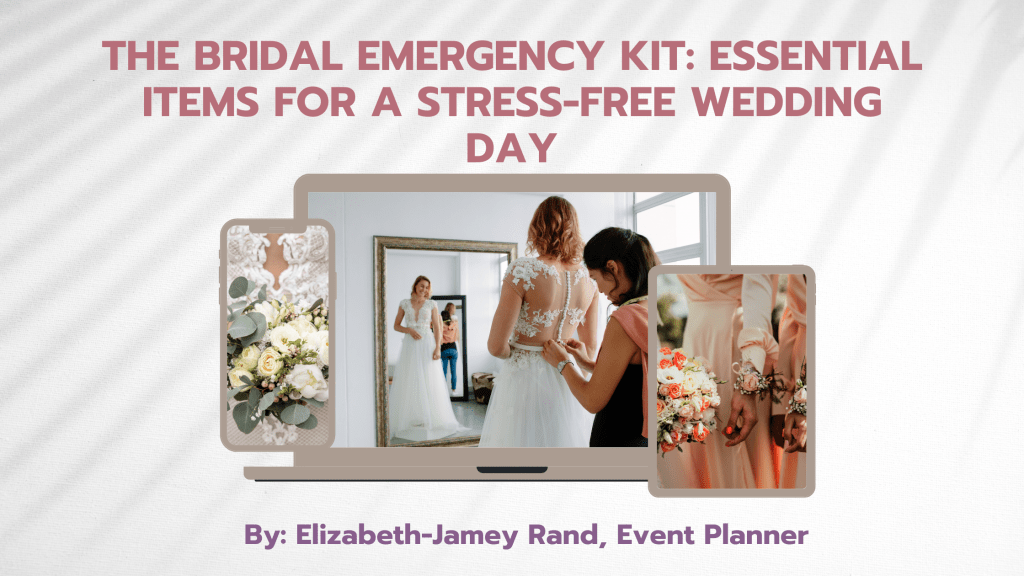
The Bridal Emergency Kit: Essential Items for a Stress-Free Wedding Day

Your wedding day should be one of the most memorable and stress-free days of your life. But sometimes, things don’t always go according to plan. That’s why it’s always a good idea to be prepared for anything – and that’s where a bridal emergency kit comes in.

A bridal emergency kit is a collection of essential items that you can use to fix any last-minute problems that may arise on your wedding day. From a spare pair of earrings to a mini sewing kit, there are a number of items that should be included in your kit.

In this blog post, we’ll give you a rundown of the essential items that should be in your bridal emergency kit. With this list, you can rest assured that you’ll be prepared for anything on your big day!

  • Safety pins and sewing kit: These can come in handy for any wardrobe malfunctions or last-minute alterations.
  • Miniature sewing scissors: Useful for cutting loose threads or emergency fabric repairs.
  • Clear nail polish: Great for preventing runs in stockings or stopping small tears in garments.
  • Stain remover wipes: Ideal for tackling any spills or stains on clothing.
  • Tissues: Keep a pack of tissues for emotional moments or any unexpected tears.
  • Band-aids and blister cushions: Protect against blisters or any minor cuts or scrapes.
Continue reading

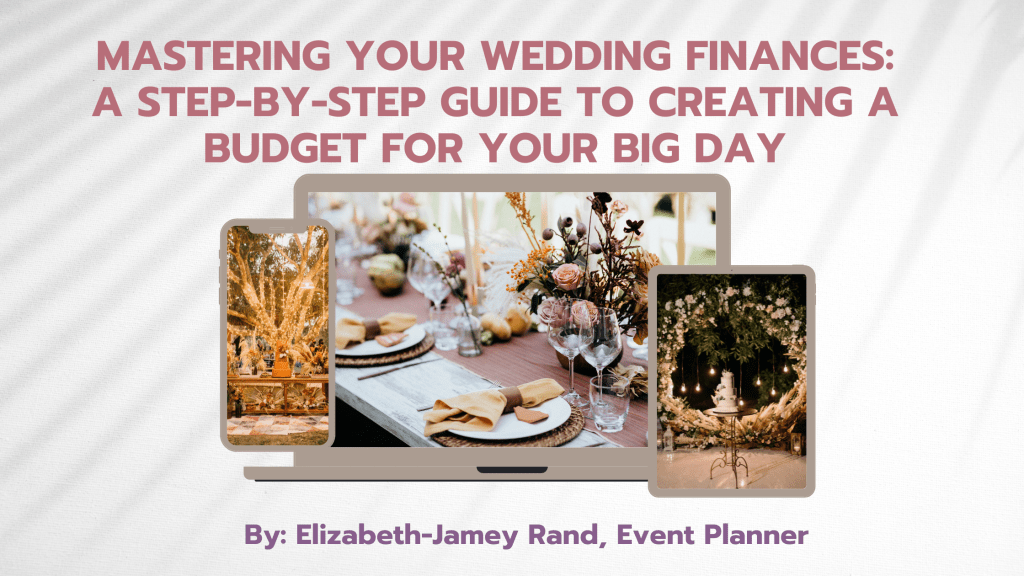
Mastering Your Wedding Finances: A Step-by-Step Guide to Creating a Budget for Your Big Day

Weddings are a big financial undertaking – and one that can easily get out of control if you’re not careful. The average cost of a wedding in the United States is around $33,391.  But that’s just the average. If you’re planning a more lavish affair, the cost can easily balloon to $50,000 or more.

No matter your wedding budget, it’s important to be strategic about how you spend your money. That’s why we’ve put together this step-by-step guide to help you create a budget for your big day. Read on to learn more!

Step #1 | Determine your total wedding budget: Start by deciding on the overall amount you are willing to spend on your wedding. This will serve as the foundation for allocating funds to different aspects of the wedding.

Step #2 | Identify your top priorities: Discuss with your partner and identify the elements of your wedding that are most important to you. This could be the venue, food, photography, or entertainment. Allocate a larger portion of your budget to these priorities.

Step #3 | Make a comprehensive list of wedding expenses: Create a list of all the possible expenses related to your wedding. Include categories such as venue, catering, attire, decorations, flowers, invitations, photography, entertainment, transportation, and any other specific items you plan to include.

Step #4 | Research and gather cost estimates: Research and gather cost estimates for each item on your list. You can contact vendors, check online resources, consult with recently married friends, or use wedding budget calculators to get an idea of the average costs in your area.

Step #5 | Allocate funds to each category: Based on your priorities and the estimated costs, allocate a portion of your budget to each expense category. Be realistic and consider any additional costs such as taxes or service charges.

Continue reading

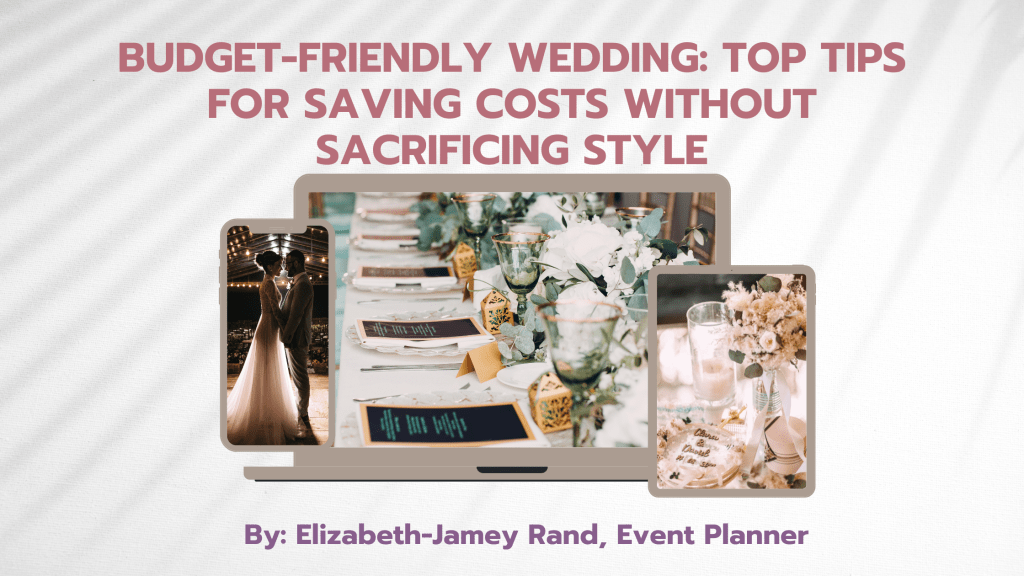
Budget-Friendly Wedding: Top Tips for Saving Costs Without Sacrificing Style

Planning a wedding can be expensive, but there are several cost-saving tips you can consider to help you stay within your budget. Here are some ideas:

Cost Saving Tip #1 – Set a budget and prioritize: Determine your overall budget for the wedding and identify your top priorities. Allocate a larger portion of your budget to the aspects that matter most to you, such as venue, food, or photography, and be willing to make compromises on less essential elements.

Cost Saving Tip #2 – Choose an off-peak wedding date or day: Consider getting married during the off-peak wedding season or on a less popular day of the week. Venues and vendors often offer discounts for weddings held on weekdays or during non-peak months.

Cost Saving Tip #3 – Opt for a non-traditional venue: Instead of booking a traditional wedding venue, explore alternative options such as public parks, beaches, or even private residences. These locations can often be more budget-friendly and offer unique settings for your special day.

Cost Saving Tip #4 – Limit the guest list: Be selective with your guest list and invite only close family members and friends. Fewer guests mean lower costs for catering, invitations, seating, and other expenses.

Cost Saving Tip #5 – DIY or enlist the help of friends and family: Get creative and consider do-it-yourself (DIY) projects for decorations, wedding favors, or invitations. Additionally, ask friends and family members with particular skills or talents to contribute their services as wedding gifts, such as photography, music, or floral arrangements.

Continue reading

Corporate Event Planning: 7 Vital Steps for Success

Organizing a corporate event is no small feat. From finding the right venue to staying within budget, there are a lot of moving parts to consider. That’s why we’ve put together this handy guide with 7 essential steps to help you plan your next corporate event.

Whether you’re planning a small meeting or a large conference, these tips will help you stay organized and on track. So, let’s get started!

Step #1: Define event objectives and goals: Start by understanding the purpose of the event. Determine the objectives and goals you want to achieve, whether it’s fostering networking opportunities, launching a new product, or celebrating company milestones. Clear objectives will guide your planning process.

Step #2: Create a detailed event plan: Develop a comprehensive event plan that outlines all the crucial details, including budget, timeline, venue selection, catering, audiovisual requirements, logistics, marketing, and attendee management. A well-structured plan will serve as a roadmap for successful execution.

Step #3: Establish a realistic budget: Determine the budget for your event, considering all expenses, including venue costs, catering, decor, entertainment, technology, marketing, and staffing. Allocate funds accordingly, and track your expenses throughout the planning process.

Continue reading

Essential Insights: 10 Key Considerations for a Successful Event Planning Business

The event planning business is booming. The industry is expected to grow by almost 10% in the next decade. And, with the popularity of destination weddings and corporate events, there’s no shortage of work for event planners.

However, with the growth of the industry comes increased competition. If you want to start an event planning business, it’s essential that you do your research and create a comprehensive business plan.

In this blog post, we’ll share 10 key considerations for a successful event planning business. From identifying your target market to creating a marketing strategy, these tips will help you get started on the right foot.

Identify your niche: Determine the type of events you want to specialize in, such as weddings, corporate events, conferences, or social gatherings. Focusing on a specific niche can help you target your marketing efforts and establish yourself as an expert in that area.

Build a solid network: Networking is crucial in the event planning industry. Establish connections with vendors, suppliers, venues, and other professionals in the event industry. Collaborating with trusted partners can enhance your reputation and help you deliver high-quality events.

Develop strong organizational and multitasking skills: Event planning requires excellent organizational and multitasking abilities. You’ll need to manage multiple tasks simultaneously, stay organized, and pay close attention to details to ensure every aspect of the event runs smoothly.

Understand client needs: Listen carefully to your clients and understand their vision and expectations for the event. Effective communication and understanding their needs will help you deliver an event that exceeds their expectations.

Continue reading

Different Ideas for an Adult Bedroom

One of the great things about becoming an adult is the decorating and opportunities to personally customize various designs that will be used to express personalized ideas and trends.  The line between creating unique designs to fit adult tastes is quite thin.  Below are some ideas outlined to elevate the bedroom of any personality type.

Continue reading