Corporate Event Planning 2024: Embracing the Top Trends for Success

As we enter a new era of corporate events in 2024, event planners must stay ahead of the curve and embrace the latest trends to deliver impactful and memorable experiences for their clients. From innovative technologies to sustainability initiatives and experiential activations, the landscape of corporate event planning is evolving rapidly. In this blog post, we’ll explore the top trends shaping corporate events in 2024 and provide insights to help event planners stay at the forefront of the industry.

Trend #1 – Hybrid and Virtual Events:

With the continued impact of the pandemic and the rise of remote work, hybrid and virtual events have become essential components of corporate event planning. Leveraging advanced virtual event platforms and interactive technologies, event planners can create immersive experiences that engage remote attendees and extend the reach of their events.

Example: Incorporate features such as live streaming, virtual networking lounges, and interactive Q&A sessions to enhance the virtual attendee experience and foster meaningful connections.

Continue reading

Elevate Every Experience: Small Touches to Enhance Guest Comfort at Your Events

As an event planner, creating a memorable and enjoyable experience for your guests goes beyond the logistics and aesthetics of the event itself. It’s about paying attention to the small details and thoughtful touches that make guests feel welcomed, valued, and comfortable throughout the event. In this blog post, we’ll explore creative ways to enhance guest comfort through small touches, leaving a lasting impression on attendees and ensuring the success of your events.

Touch #1 – Welcome Drinks and Refreshments:

Start your event on a refreshing note by offering welcome drinks or refreshments to guests upon arrival. Whether it’s a glass of champagne, a signature mocktail, or infused water with fresh fruit, a welcoming beverage sets the tone for a memorable experience.

Example: Create a custom cocktail or mocktail inspired by the event theme or location, and serve it in stylish glassware with a decorative garnish.

Continue reading

Unleash Your Event Planning Superpowers: Top Tips for Maximum Productivity

In the fast-paced world of event planning, staying organized, focused, and productive is essential for success. From managing multiple tasks and deadlines to coordinating vendors and clients, event planners juggle a multitude of responsibilities on a daily basis. In this blog post, we’ll share top tips and tricks to boost your productivity and streamline your workflow, empowering you to plan and execute flawless events with ease.

Set Clear Goals and Priorities:

Begin by defining clear goals and priorities for each event or project. Identify the most critical tasks and deadlines, and allocate your time and resources accordingly.

Example: Use a project management tool like Trello or Asana to create task lists and set deadlines for each milestone of your event planning process.

Continue reading

Why Mainstream Events Fail

In the dynamic world of event planning, even the most well-intentioned and meticulously planned events can sometimes fall short of expectations. Whether it’s a corporate conference, a product launch, or a community festival, understanding the reasons behind the failure of mainstream events is crucial for event planners seeking to avoid similar pitfalls in their own endeavors. In this blog post, we’ll delve into some common reasons why mainstream events fail and explore valuable lessons that event planners can learn from these experiences.

Lack of Clear Objectives and Vision:

One of the primary reasons for the failure of mainstream events is a lack of clear objectives and vision. Without a defined purpose or goal, events may lack focus and fail to resonate with attendees or stakeholders.

Example: A corporate conference that aims to showcase company achievements but fails to articulate clear objectives or deliver actionable takeaways for attendees.

Continue reading

Tips for Creating an Inclusive Event Menu

As an event planner, one of the most important aspects of creating a memorable and successful event is designing an inclusive and diverse menu that caters to the dietary preferences and restrictions of all attendees. From vegetarian and vegan options to gluten-free and allergen-friendly dishes, offering a thoughtful and inclusive menu ensures that all guests feel welcome and accommodated. In this blog post, we’ll share expert tips for creating an inclusive event menu that delights all palates and dietary needs.

Understand Your Audience:

Start by understanding the dietary preferences and restrictions of your event attendees. Consider sending out a survey or questionnaire to gather information about dietary restrictions, food allergies, and cultural or religious dietary preferences.

Example: If you’re planning a corporate event, take into account the diverse dietary needs of your employees, including vegetarians, vegans, gluten-free individuals, and those with food allergies.

Continue reading

Top 10 Ways to Promote Your Event

Promoting your event effectively is crucial to its success. Whether you’re planning a corporate conference, a charity fundraiser, or a social gathering, getting the word out and attracting attendees is essential for achieving your event goals. In this blog post, we’ll explore the top 10 ways to promote your event and ensure its success, helping you reach your target audience and maximize attendance.

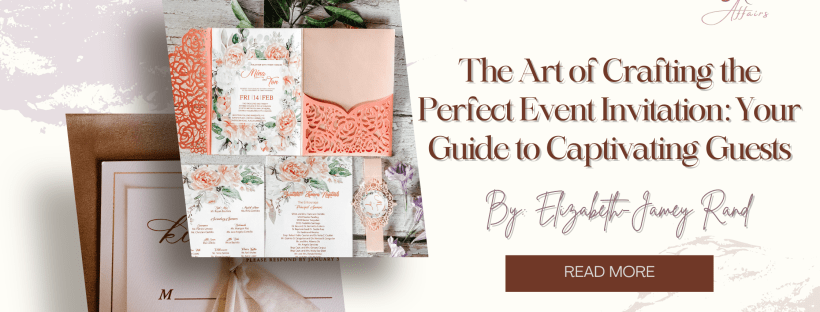
Idea #1. Create Compelling Event Invitations

Start by creating compelling event invitations that capture the attention of your target audience and entice them to attend. Use eye-catching graphics, persuasive copy, and clear call-to-action buttons to encourage recipients to RSVP and secure their spot at the event. Consider personalizing invitations with the recipient’s name or including exclusive incentives or discounts to incentivize attendance.

Idea #2. Leverage Social Media Platforms

Harness the power of social media platforms to promote your event and engage with your audience. Create event pages on platforms such as Facebook, LinkedIn, and Instagram to share event details, updates, and behind-the-scenes content. Use targeted advertising and promotional campaigns to reach specific demographics and expand your event’s reach to a wider audience.

Idea #3. Utilize Email Marketing Campaigns

Email marketing campaigns are an effective way to communicate with your audience and drive attendance to your event. Create segmented email lists based on factors such as demographics, interests, and past attendance to tailor your messaging and increase engagement. Send personalized invitations, event reminders, and exclusive offers to encourage recipients to register and attend your event.

Continue reading

Event Planning Essentials: Must-Have Items No Matter The Theme

As an event planner, you know that every event is unique, with its own theme, style, and ambiance. From elegant weddings to corporate galas to whimsical birthday parties, each event presents its own set of challenges and opportunities for creativity. While the themes may vary, there are certain essential items that every event planner should have on hand, regardless of the theme. In this blog post, we’ll explore must-have items that are indispensable for any event, helping you ensure that every occasion is planned and executed flawlessly.

Must Have Item #1. Portable Event Kit

A portable event kit is essential for on-the-go event planning and management. Stocked with essential supplies such as tape, scissors, pens, notepads, safety pins, and other miscellaneous items, a portable event kit ensures that you’re prepared for any situation that arises during the event. Invest in a durable and compact carrying case or tote to keep your supplies organized and easily accessible while you’re on-site.

Must Have Item #2. Emergency Preparedness Kit

No event is immune to unforeseen emergencies or challenges, which is why an emergency preparedness kit is essential for every event planner. Include items such as first aid supplies, a flashlight, batteries, a multi-tool, duct tape, and emergency contact information in your kit to ensure that you’re prepared to handle any situation that arises during the event. Prioritize the safety and well-being of your clients and guests by being proactive and prepared for emergencies.

Continue reading

Event Planning Essentials: Top 10 Categories for Your Event Binder

As an event planner, staying organized is key to executing flawless events that exceed your clients’ expectations. One essential tool in your arsenal is the event binder—a comprehensive resource that contains all the important documents, information, and details you need to plan and manage your events effectively. In this blog post, we’ll explore the top 10 categories that should be included in your event binder to ensure that every aspect of your event is covered and nothing falls through the cracks.

Category #1. Event Overview

Start your event binder with an event overview section that provides a high-level summary of the event, including the date, time, location, theme, and purpose. This section serves as a quick reference guide for you and your team, helping everyone stay aligned and focused on the goals of the event.

Category #2. Budget and Financials

Keep track of your event budget and financials in a dedicated section of your event binder. Include details such as budget allocations, expenses, receipts, and payment schedules to ensure that you stay within budget and can track your spending throughout the planning process.

Category #3. Vendor Contracts and Contact Information

Organize all vendor contracts and contact information in one place to streamline communication and coordination with your event partners. Include copies of signed contracts, contact details for each vendor, and any relevant correspondence to ensure that everyone is on the same page leading up to the event.

Continue reading

Event Planning Excellence: How to Ensure Your Event Comes Off Without a Hitch

Planning a successful event requires meticulous attention to detail, strategic thinking, and careful coordination of countless moving parts. From venue selection and vendor management to guest accommodations and logistics, there are numerous factors to consider to ensure that your event runs smoothly and leaves a lasting impression on your guests. In this blog post, we’ll share expert tips and strategies to help you make your next event come off without a hitch and exceed your clients’ expectations.

Tip #1. Start with a Clear Vision and Objectives

Before diving into the details of event planning, start by defining a clear vision and objectives for your event. What is the purpose of the event? Who is your target audience? What do you hope to achieve? By establishing clear goals and objectives upfront, you’ll have a roadmap to guide your planning process and ensure that every decision aligns with the overall vision for the event.

Tip #2. Create a Comprehensive Event Plan

A well-defined event plan is the foundation of a successful event. Create a comprehensive event plan that outlines key milestones, deadlines, tasks, and responsibilities leading up to the event. Include details such as budget, venue selection, vendor contracts, marketing and promotion strategy, guest list management, and day-of logistics. By having a clear roadmap and timeline in place, you’ll stay organized and on track throughout the planning process.

Continue reading

Creative Table Placement and Setup Ideas

As an event planner, you understand that the details make all the difference when it comes to creating memorable experiences for your clients and their guests. From the venue decor to the table settings, every element plays a crucial role in setting the tone and ambiance of an event. In this blog post, we’ll explore creative table placement and setup ideas that will elevate your next event and leave a lasting impression on your guests.

Idea #1. Theme-Based Tablescapes

One of the most effective ways to enhance the visual impact of your event is by designing theme-based tablescapes that reflect the overall theme or concept of the event. Whether you’re hosting a rustic outdoor wedding, a glamorous gala dinner, or a whimsical garden party, incorporating thematic elements into your table settings can help create a cohesive and immersive experience for your guests. Consider using thematic decor, linens, centerpieces, and place settings that tie into the event’s theme and color scheme, ensuring that every detail contributes to the overall ambiance.

Idea #2. Unique Table Shapes and Configurations

Break away from traditional round tables and explore unique table shapes and configurations that add visual interest and variety to your event space. Experiment with long banquet tables, square tables, or oval tables to create dynamic seating arrangements that encourage interaction and conversation among guests. Mix and match different table shapes and sizes to create visual focal points and highlight key areas of the venue, such as the head table or dance floor.

Continue reading