
Utilizing Data Analytics for Event Success: How Smart Planning Leads to Better Events

Utilizing Data Analytics for Event Success

When people think about event planning, they often picture creativity, decor, and logistics. While those elements are essential, there is another powerful tool that plays a major role behind the scenes: data analytics.

Data analytics may sound technical, but at its core, it is simply the process of learning from information. For event planning, that information helps guide decisions, improve experiences, and ensure each event is better than the last.

Whether you are planning a wedding, corporate event, or private celebration, using data intentionally can take your event from good to exceptional.

What Data Analytics Means in Event Planning

In event planning, data analytics refers to collecting and reviewing information related to attendance, engagement, timing, feedback, and overall performance.

This data can come from many sources, including RSVPs, guest surveys, ticket sales, timelines, social media engagement, and post-event feedback.

Instead of relying on assumptions, data allows planners to see what truly worked, what needs improvement, and what guests responded to most.

Continue reading


The Importance of Post-Event Evaluation and Feedback for Better Events

The Importance of Post-Event Evaluation and Feedback

When an event wraps up, most people feel a sense of relief. The guests had fun, the timeline flowed, and the celebration came together. It’s tempting to close the book and move on to the next thing.

But as an event planner, I’ve learned something important. The most successful events are not just well-executed. They are reviewed, evaluated, and improved upon.

Post-event evaluation and feedback are what turn a good event into a great one, and a great one into an unforgettable experience the next time around.

Why Post-Event Evaluation Matters

Every event tells a story. Not just during the celebration, but behind the scenes as well.

Post-event evaluation allows you to look at the event objectively. It helps answer important questions such as:

  • What worked exactly as planned?
  • What felt rushed or unclear?
  • Where did guests seem most engaged?
  • What could be improved next time?

Without reflection, these insights are easily lost. Evaluation gives structure to learning and growth.

Continue reading

Navigating Seating Charts: Dos and Don’ts for Event Success

Seating charts play a crucial role in the success of any event, from weddings and galas to conferences and banquets. They determine not only where your guests will sit but also how smoothly the event will flow. A well-thought-out seating arrangement can enhance the guest experience, encourage interaction, and leave a lasting impression. In this blog post, we’ll explore the dos and don’ts of creating seating charts that will elevate your event planning game.

The Dos:

1. Do Consider Guest Preferences:

Take into account your guests’ preferences and any special requests, such as dietary restrictions or accessibility needs.

2. Do Create a Clear Layout:

Provide a clear and easy-to-read seating chart, preferably with numbered tables and a legend indicating guest names.

3. Do Mix and Mingle:

Seat guests strategically to encourage mingling. Mix people from different backgrounds and groups to spark conversations.

4. Do Consider Sightlines:

Ensure that every seat has a good view of the main stage or focal point, especially at large events.

5. Do Personalize Place Cards:

Add a personal touch by customizing place cards with guest names and, if possible, a brief message or thank-you note.

Continue reading

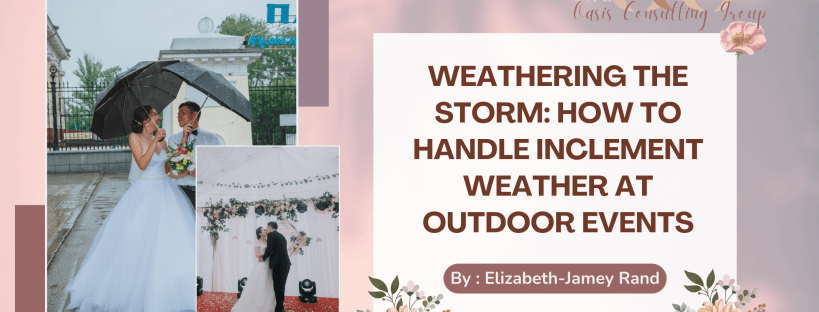
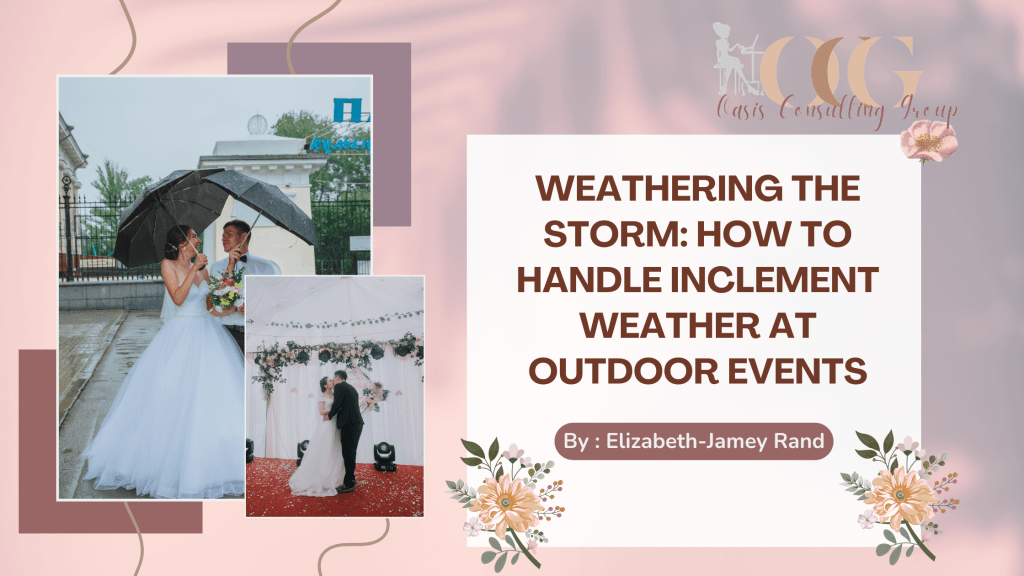
Weathering the Storm: How to Handle Inclement Weather at Outdoor Events

Outdoor events have a charm of their own, with nature providing a beautiful backdrop for gatherings and celebrations. But what happens when the weather takes an unexpected turn, threatening to rain on your parade, quite literally? In this blog post, we’ll explore essential tips and strategies on how to deal with bad weather at outdoor events, ensuring that your event remains a success even when the skies are less than cooperative.

Tip #1. Plan with Contingency in Mind

The key to handling bad weather is planning ahead. Start by having a solid contingency plan in place. Consider alternate indoor venues, tents, or awnings that can provide shelter in case of rain or excessive heat.

Tip #2. Stay Informed

Monitor weather forecasts diligently in the days leading up to your event. Keep a close eye on updates, and be prepared to make decisions based on the most current information.

Tip #3. Communication is Key

Ensure that your attendees are well-informed about the potential for bad weather. Send out weather updates and instructions on what to bring or how to prepare for varying conditions.

Continue reading

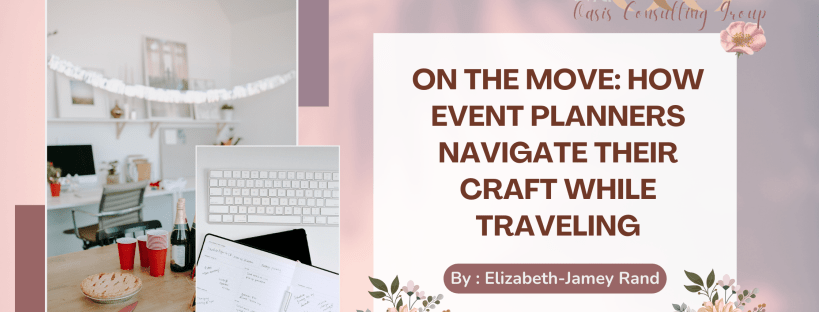
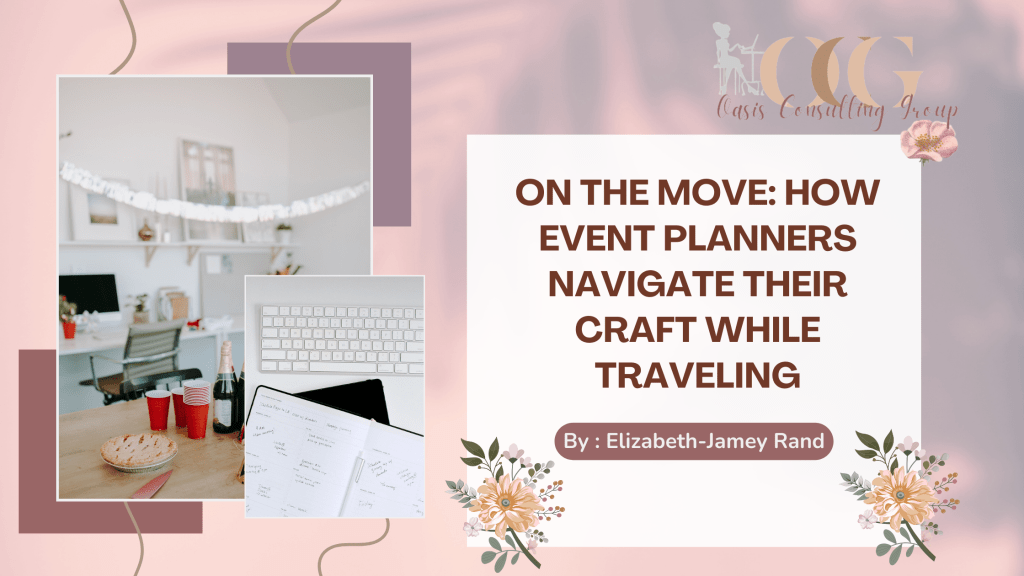
On the Move: How Event Planners Navigate Their Craft While Traveling

The world of event planning is a tapestry of creativity, organization, and meticulous execution. But what happens when you’re not just planning an event, but planning it while on the move? Whether you’re a globetrotting event planner or simply planning an event while traveling, this blog post is your guide to mastering the art of crafting unforgettable experiences no matter where you are.

Embracing the Wanderlust-Event Planning Connection

For those with a passion for event planning and a love of travel, combining the two can be an exhilarating experience. Event planners are often called upon to design events in destinations that range from tropical paradises to bustling cities. Each location offers its own unique challenges and opportunities.

The Essentials: A Portable Office

To plan events effectively while traveling, you need a portable office. This means having access to essential tools like a reliable laptop, a smartphone loaded with event planning apps, and a sturdy notebook for jotting down ideas and to-do lists.

Time Zone Tango

One of the biggest challenges when planning events from afar is managing different time zones. A key skill is coordinating with vendors, clients, and team members across the globe while ensuring everyone is on the same schedule.

Continue reading

A Week in the Life of an Event Planner: Crafting Unforgettable Experiences

Have you ever wondered what it’s like to be an event planner? The world of event planning is a whirlwind of creativity, organization, and endless possibilities. From designing weddings that make hearts flutter to orchestrating corporate events that leave lasting impressions, event planners are the architects behind unforgettable experiences. In this blog post, we’ll take you on a journey through a typical week in the life of an event planner, shedding light on the magic and dedication that go into crafting those cherished moments.

Monday: The Week’s Canvas

Monday morning kicks off with a fresh perspective. It’s the day for brainstorming, diving into client consultations, and setting the stage for the week ahead. We pore over inspiration boards, discuss design concepts, and outline the blueprint for upcoming events.

Tuesday: Vendor Connections

Our Tuesdays are dedicated to connecting with vendors and suppliers. We negotiate contracts, ensure every detail aligns with the client’s vision, and secure the best partnerships to bring our ideas to life. Building a network of trusted professionals is key.

Wednesday: Logistics and Scheduling

Midweek is when we dive deep into logistics. We create comprehensive schedules, plan transportation, and coordinate with venues to ensure everything runs like clockwork. Attention to detail is our superpower.

Continue reading